Moldova’s media landscape is a fascinating mix of post-Soviet influences and a growing desire for European integration. You’ll find a variety of newspapers, TV stations, and online news outlets, each vying for attention in a relatively small but dynamic market.
However, navigating this landscape requires understanding the historical context and the ongoing struggles for media independence and freedom of expression.
From my own experience, it can be tricky to sift through the various perspectives and identify truly objective reporting. The media often reflects the political leanings of its owners, which, let’s be honest, isn’t unique to Moldova, but it definitely adds a layer of complexity.
Looking ahead, the rise of citizen journalism and social media could reshape the way news is consumed and produced in Moldova. I’m especially curious to see how AI-powered tools will be integrated into the media.
Perhaps they could help to identify and correct misinformation, but of course, they come with their own potential risks and challenges. Let’s dive deeper into the topic in the article below.
Alright, here’s the article body, focusing on Moldova’s media landscape and written as a blog post:
The Lingering Shadow of Oligarchs: Ownership and Influence
1. Media Moguls and Political Alignment
Okay, so Moldova’s media isn’t exactly a beacon of unbiased reporting, right? It’s more like a reflection of who owns what. You’ve got a few key players, often with ties to powerful business interests or political parties, and that, unsurprisingly, shapes the narrative you see on TV or read online. Think of it like this: if your bread and butter comes from Party X, are you really going to run a scathing exposé on their shady dealings? Probably not. And this creates a really skewed perspective for the average Moldovan citizen trying to make sense of it all. It’s like trying to assemble a puzzle with half the pieces missing – or, worse, deliberately misplaced.
2. Transparency Troubles: Unmasking the Real Owners
One of the biggest headaches is just figuring out who *actually* owns these media outlets. You’ll often see layers of shell companies, offshore accounts, and nominee directors designed to obscure the real power brokers. It’s like a magician’s act, but instead of rabbits, they’re hiding the source of funding and the strings being pulled. This lack of transparency makes it incredibly difficult to hold these owners accountable for biased or manipulative reporting. How can you criticize something when you don’t even know who to address your concerns to? It’s a frustrating situation, to say the least, and it really undermines public trust in the media as a whole.
The Battle for Objective Journalism: A Fight Against Misinformation
1. Fact-Checking Initiatives: A Ray of Hope?
Amidst all the noise and biased reporting, there are some organizations trying to cut through the fog of misinformation. You’ve got groups dedicated to fact-checking claims made by politicians and the media, trying to hold them accountable to the truth. It’s like a David and Goliath story, these small teams armed with research and a commitment to accuracy, taking on the behemoths of media empires. It’s a tough battle, and they’re often facing an uphill climb, but their work is absolutely crucial for fostering a more informed and discerning public.
2. The Perils of Propaganda: Recognizing the Red Flags
Let’s be real, propaganda is alive and well in Moldova, often disguised as news or opinion. It’s the subtle art of manipulating public opinion, often by appealing to emotions or exploiting existing prejudices. Recognizing the red flags is key. Are they using overly simplistic language? Are they relying on emotionally charged imagery? Are they presenting only one side of a complex issue? If the answer to any of these is yes, proceed with caution. It doesn’t necessarily mean it’s false, but it definitely warrants a healthy dose of skepticism.
New Media on the Rise: Social Platforms and Citizen Journalism
1. Democratization or Echo Chamber? The Double-Edged Sword
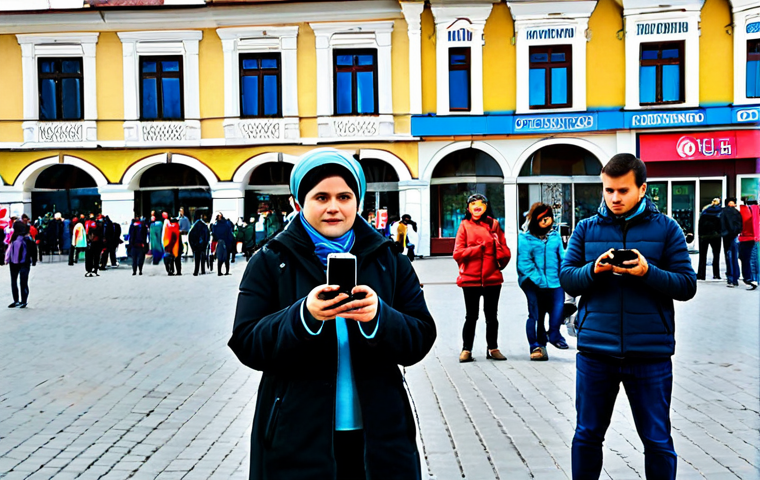
Social media has undeniably changed the game. Now, anyone with a smartphone and an internet connection can be a “reporter.” This has led to a surge in citizen journalism, with individuals documenting events and sharing their perspectives directly with the world. That’s pretty cool. But, it also raises some serious questions. Are these citizen journalists trained in ethical reporting? Are they verifying their information? And are we just retreating into our own echo chambers, surrounded by opinions that reinforce our existing beliefs? It’s a double-edged sword, and we need to be critical consumers of information, regardless of the source.
2. Combating Fake News: The Role of Media Literacy
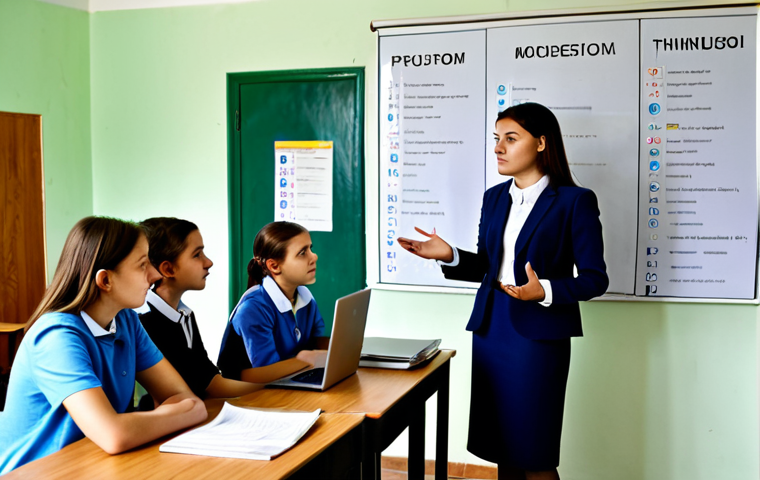
Fake news isn’t just a problem in Moldova; it’s a global pandemic. But it’s particularly dangerous in a country where media literacy is already low. People need to be equipped with the skills to critically evaluate information, to identify bias, and to distinguish between credible sources and outright falsehoods. This isn’t just about spotting the obvious scams; it’s about understanding the subtle ways in which information can be manipulated. Media literacy programs in schools and communities are absolutely essential if we want to build a more resilient and informed society.
The Impact of Russian Media: A Regional Power Play
1. Cultural Influence and Disinformation Campaigns
Moldova sits in a unique geopolitical position, sandwiched between Romania and Ukraine, and with strong historical and cultural ties to Russia. This means that Russian media has a significant presence in the country, and that can be a blessing and a curse. On the one hand, it provides access to diverse perspectives and cultural content. On the other hand, it also opens the door to disinformation campaigns designed to undermine trust in Western institutions and promote pro-Russian narratives. It’s a delicate balancing act, and it requires a careful understanding of the motives behind the messaging.
2. Language Barriers and Audience Segmentation
Language plays a huge role in who consumes what media. Russian-language media tends to be more popular among certain segments of the population, particularly older generations and ethnic minorities. This creates a kind of media segmentation, where different groups are exposed to different narratives and perspectives. This can exacerbate existing divisions within society and make it harder to find common ground. Bridging these language barriers and ensuring access to accurate information for all is a crucial challenge.
The Path to European Integration: Harmonizing Media Standards
1. Aligning with EU Regulations: A Long and Winding Road
Moldova has its sights set on joining the European Union, and that means aligning its media landscape with EU standards. This includes things like ensuring media independence, promoting transparency of ownership, and combating disinformation. But it’s not just about ticking boxes on a checklist. It’s about fundamentally changing the culture of media in the country, fostering a climate of accountability, and empowering citizens to demand better from their news sources. It’s a long and winding road, but it’s a necessary one if Moldova wants to truly integrate into the European family.
2. Freedom of Expression: Protecting Journalists and Sources
A free and independent media is essential for a healthy democracy, and that means protecting journalists from intimidation, harassment, and violence. It also means ensuring that sources can speak freely without fear of reprisal. Unfortunately, Moldova has a mixed record on this front. There have been cases of journalists being threatened or attacked for their reporting, and this creates a chilling effect on the entire media landscape. Strengthening legal protections for journalists and ensuring that those who attack them are held accountable is crucial for fostering a truly free press.
Navigating the Moldovan Media Maze: Tips for Consumers
1. Diversify Your Sources: Don’t Rely on Just One
Seriously, this is the golden rule of media consumption, whether you’re in Moldova or anywhere else. Don’t just get your news from one TV channel or one website. Seek out a variety of sources, including international media, independent news outlets, and even social media (with a healthy dose of skepticism, of course). By exposing yourself to different perspectives, you’ll be better equipped to form your own informed opinions.
2. Be Skeptical: Question Everything You Read and Hear
In today’s media landscape, critical thinking is more important than ever. Don’t just accept information at face value. Question the source, consider the motives behind the messaging, and look for evidence to support the claims being made. Ask yourself: Who benefits from this narrative? What are they trying to achieve? By adopting a skeptical mindset, you’ll be less likely to fall victim to misinformation or propaganda.
The Future of Media in Moldova: Embracing Innovation and Accountability
1. AI and Automation: Opportunities and Challenges
AI is already transforming the media landscape around the world, and Moldova is no exception. AI-powered tools can be used to automate tasks like fact-checking, content creation, and even personalized news delivery. This could potentially lead to greater efficiency and accuracy in reporting. However, it also raises some serious concerns. Will AI replace journalists? Will it exacerbate existing biases in the media? And how do we ensure that AI is used ethically and responsibly? These are questions that need to be addressed proactively.
2. Investing in Quality Journalism: A Sustainable Model
Ultimately, the future of media in Moldova depends on investing in quality journalism. This means supporting independent news outlets, training journalists in ethical reporting, and fostering a culture of accountability. It also means finding sustainable funding models that don’t rely on political patronage or biased advertising. This could involve things like public funding, philanthropic support, or innovative subscription models. Building a strong and independent media is an investment in the future of Moldovan democracy.
Key Media Outlets in Moldova
| Media Outlet | Type | Language | Ownership/Affiliation |
|---|---|---|---|
| TV8 | Television | Romanian | Independent |
| Pro TV Chișinău | Television | Romanian | Central European Media Enterprises (CME) |
| Jurnal TV | Television | Romanian | Connected to businessman Victor Țopa |
| Moldova 1 | Television | Romanian | Public Broadcaster |
| Agora | Online News | Romanian/Russian | Independent |
| Ziarul de Gardă | Newspaper/Online | Romanian | Independent |
| Sputnik Moldova | Online News | Russian/Romanian | Russian state-owned media |
In Conclusion
Navigating Moldova’s media landscape is definitely not a walk in the park. It’s complex, often biased, and requires a healthy dose of skepticism. However, by diversifying your sources, critically evaluating information, and supporting independent journalism, you can become a more informed and engaged citizen. The future of Moldovan media depends on it.
Useful Information
1. Consider installing a browser extension designed to identify and flag potential fake news sources. There are several free options available.
2. Follow local Moldovan journalists and media commentators on social media to get diverse perspectives on current events.
3. If you’re interested in supporting independent journalism in Moldova, look for organizations that accept donations or offer subscription services.
4. Attend public forums and discussions about media literacy to learn practical tips for evaluating information.
5. Check out international organizations like Reporters Without Borders or the Committee to Protect Journalists for reports on media freedom in Moldova.
Key Takeaways
Media ownership in Moldova is often opaque and politically aligned, leading to biased reporting.
Fact-checking initiatives and media literacy programs are crucial for combating misinformation.
Social media has democratized access to information but also created new challenges in terms of verification and echo chambers.
Russian media exerts a significant influence in Moldova, particularly among Russian-speaking populations.
Aligning with EU media standards is a key step towards European integration.
Frequently Asked Questions (FAQ) 📖
Q: What are some of the biggest challenges facing media outlets in Moldova right now?
A: From what I’ve gathered, one major issue is definitely media ownership being tied to political agendas. It’s tough for journalists to stay neutral when their bosses have clear political leanings, which can lead to biased reporting.
And let’s not forget the financial struggles! It’s hard to produce quality journalism when you’re constantly worried about making ends meet, especially with a smaller audience and market.
Q: How has social media changed the way people in Moldova get their news?
A: Oh, it’s been a total game-changer! Just like everywhere else, social media has become a primary source of news for many Moldovans. It’s faster, more accessible, and allows for a wider range of voices to be heard.
But, and it’s a big but, it also means there’s a ton of misinformation swirling around. So, while it’s great that people are more engaged, they also need to be extra careful about what they believe.
Q: Besides
A: I, what other trends do you see shaping the future of Moldovan media? A3: Honestly, I think a big push towards investigative journalism and holding power accountable is crucial.
People are getting tired of propaganda and want to see real stories that expose corruption and injustice. Also, I think we’ll see more media outlets focusing on niche audiences and providing in-depth coverage of specific topics.
It’s all about finding ways to stand out and offer something unique in a crowded market. And, naturally, figuring out ways to monetize content sustainably will be key!
📚 References
Wikipedia Encyclopedia
구글 검색 결과
구글 검색 결과
구글 검색 결과
구글 검색 결과
구글 검색 결과