Hey there, fellow explorers and culture enthusiasts! You know, sometimes the smallest countries hide the richest stories, and that’s exactly how I feel about Moldova.
Tucked away in Eastern Europe, it’s a place that often flies under the radar, but trust me, its vibrant tapestry of people is nothing short of fascinating.
I’ve always been drawn to how history shapes a nation’s identity, and nowhere is that more evident than in Moldova’s unique ethnic makeup. I remember my first deep dive into the region, thinking it might be a straightforward story, but boy, was I wrong!
You see, Moldova is a true crossroads, a melting pot where centuries of influences have blended together to create a dynamic population. From the dominant Moldovan and Romanian heritage to the strong presence of Ukrainians, Russians, Gagauz, and Bulgarians, each group adds its own incredible threads to the national fabric.
This isn’t just about statistics; it’s about living cultures, shared histories, and the ongoing journey of weaving these diverse communities into a cohesive, forward-looking society.
It’s truly a testament to resilience and adaptation, even as it navigates the complexities of identity in the modern world. Let’s delve into this captivating mix and uncover exactly what makes Moldova so wonderfully diverse!
The Deep Roots of Identity: Moldovan and Romanian Threads
A Shared Heritage, A Distinct Path
When you first start looking into Moldova, you quickly discover that the idea of “Moldovan” identity is really intertwined with “Romanian” heritage, and it’s a fascinating story.
For centuries, this region was part of the historical Principality of Moldavia, sharing a common language and deep cultural roots with what is now Romania.
It’s like finding distant cousins who grew up in slightly different neighborhoods – there’s an undeniable family resemblance, but also unique characteristics molded by their individual experiences.
I remember diving into old maps and historical texts, trying to untangle the threads, and realizing just how much external forces, particularly Russian imperial and Soviet rule, shaped the modern distinction.
It’s more than just a linguistic debate; it’s about a nation’s soul and how it chooses to define itself after centuries of influence. The people I’ve met here, whether they identify as Moldovan or Romanian, often share a profound connection to their land, their traditions, and that beautiful Romance language, which linguists largely agree is the same as Romanian, despite the political nuances.
It truly hit me when I heard locals passionately discuss their national anthem, “Limba Noastră” (“Our Language”), embodying that deep pride regardless of the label.
This rich, shared past, yet individually chartered course, makes the Moldovan identity a truly compelling one to explore, constantly evolving yet firmly rooted.
Influences Carved in Stone: From Empires to Independence
It’s impossible to talk about Moldova’s identity without acknowledging the significant hand that empires and geopolitical shifts played. Imagine living at a crossroads where different powerful forces have consistently swept through, leaving their indelible marks on the local populace.
From the ancient Dacians and Romans to various Slavic migrations, then the Ottoman Turks, and later the Russian Empire and the Soviet Union, each era contributed layers to the cultural and ethnic tapestry.
During the Soviet period, in particular, policies were implemented to emphasize a distinct “Moldovan” identity separate from Romania, including the use of the Cyrillic alphabet for the Moldovan language for a time.
I’ve spoken with older generations who vividly recall these shifts, and it’s clear that their personal histories are deeply entwined with these national narratives.
It’s not just abstract history; it’s etched into family stories, architectural styles, and even the way certain communities interact. This constant ebb and flow of influence hasn’t diluted the core identity but has rather fortified a resilient spirit, creating a society that is wonderfully complex and constantly navigating its own path forward.
This historical resilience is what I find most compelling, a testament to how culture adapts and endures.
A Symphony of Tongues: Beyond the Official Language
The Lingua Franca and Local Dialects
Walking through Chisinau, Moldova’s bustling capital, or even a quiet village, one thing that immediately strikes you is the rich soundscape of languages.
While Romanian (often locally referred to as Moldovan) is the official language, the vibrant presence of other tongues is unmistakable. It’s not just a matter of convenience; it’s a reflection of the nation’s diverse population.
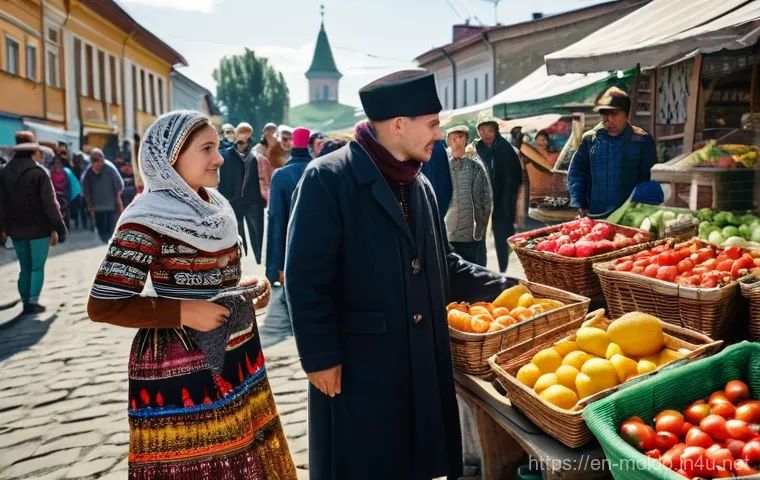
Russian, for instance, serves as a significant lingua franca, especially in urban centers and among different ethnic groups. I’ve personally experienced how easily people switch between Romanian and Russian in everyday conversations, from haggling at the market to casual chats in cafes.
This linguistic flexibility is truly impressive and points to a history where Russian played a central role, particularly during the Soviet era. Beyond these major languages, you’ll hear distinct accents and dialects within Romanian itself, and then the delightful sounds of Gagauz, Ukrainian, and Bulgarian spoken in their respective communities.
It’s a living, breathing testament to the fact that language is far more than just communication; it’s identity, history, and community all rolled into one.
This interplay makes Moldova a linguist’s dream, a place where every conversation holds a hint of a deeper story.
Minority Languages: Guardians of Heritage
Beyond Romanian and Russian, Moldova is a treasure trove of minority languages, each acting as a vital guardian of its community’s unique heritage. The Gagauz people, for instance, speak Gagauz, a Turkic language that creates a fascinating cultural pocket in the southern autonomous region of Gagauzia.
Then there are the Ukrainian and Bulgarian communities, who actively preserve their languages, often through schools and cultural organizations. I remember visiting a Gagauz village and being struck by how vibrant their language and traditions felt, despite their relatively small numbers on the national scale.
It’s not just about speaking a different tongue; it’s about maintaining a connection to ancestral stories, songs, and customs. The Moldovan state acknowledges and protects the right to use these languages, which is crucial for these communities to thrive.
This commitment to linguistic diversity not only enriches Moldova’s cultural landscape but also fosters a sense of belonging and respect among its various inhabitants.
It’s a powerful example of how a nation can celebrate its differences while building a cohesive society, proving that true unity often comes from embracing individual identities.
Where Cultures Converge: Living Traditions and Celebrations
A Calendar Full of Shared Joy
Moldova’s multi-ethnic fabric truly shines during its holidays and celebrations. It’s a delightful blend of ancient traditions, agricultural cycles, and Christian festivals that everyone, regardless of their ethnic background, seems to embrace.
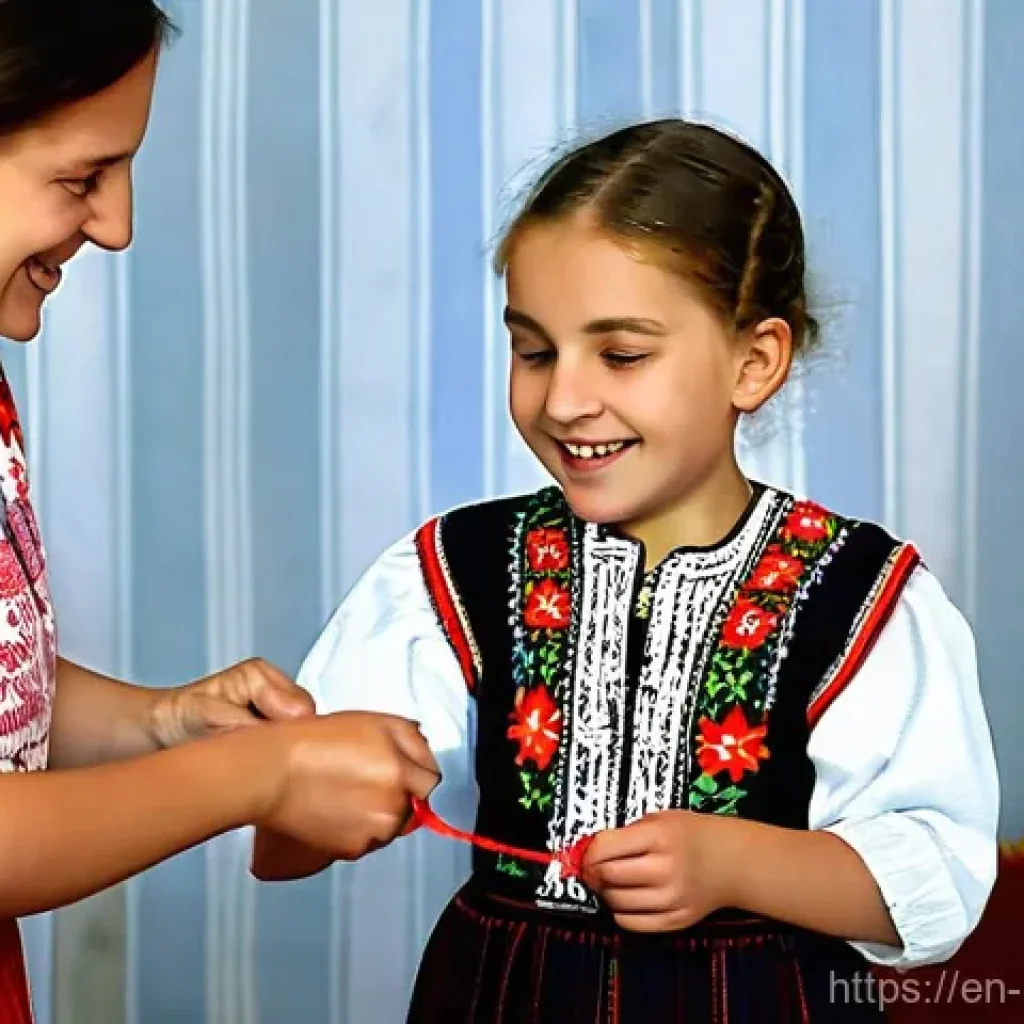
I’ve been fortunate enough to experience Martisor, the symbol of spring, where people wear red and white knitted ropes to welcome the new season. It’s a simple, beautiful tradition that transcends ethnic lines, symbolizing rebirth and hope.
Then there are the winter holidays, which feature festive greetings, carols, and plays performed by both children and adults, announcing the coming of the New Year with joyous energy.
And, of course, Easter, a major religious holiday, is a time for elaborate preparations, special foods like Easter cake, and beautifully painted eggs that are almost works of art.
What truly stands out is the incredible hospitality of the Moldovan people. I’ve been welcomed into homes, invited to feast in the traditional “Casa Mare” (Big Room), and always offered the best Moldovan wine and delicious homemade dishes.
It’s in these shared moments of celebration and generosity that you see the true spirit of Moldova – a place where differences melt away in the warmth of community and shared human experience.
Folk Arts and Culinary Delights: A Cultural Kaleidoscope
Beyond formal celebrations, the daily life and folk arts of Moldova’s diverse communities paint an even richer picture. Traditional folk culture is incredibly rich, encompassing ancient ballads, intricate ceramics, and beautiful weaving.
While there’s a strong Romanian root to much of the folk art, you can also see subtle influences from Slavic and other cultures, creating unique variations.
Music and dance are particularly vibrant, with traditional circle dances like the “Hora” performed at weddings and other festive occasions. It’s impossible to ignore Moldova’s incredible winemaking tradition; it’s deeply ingrained in the culture and economy, with some of the largest wine cellars in the world.
And the food! Oh, the food is a reflection of this cultural melting pot – hearty dishes with influences from Romanian, Russian, Ukrainian, and even Turkish cuisines.
I’ve spent hours just sampling the local fare, each dish telling a story of migration and adaptation. These aren’t just historical relics; they are living traditions, actively practiced and cherished in rural areas, and increasingly celebrated at a national level.
It makes you realize how interconnected cultural elements are, forming a tapestry that is much stronger and more beautiful for its many different threads.
Beyond the Numbers: The Human Stories of Diversity
Everyday Life in a Multi-Ethnic Society
When you look at the statistics, it’s easy to see the percentages of different ethnic groups, but what truly brings Moldova’s diversity to life are the everyday interactions and personal stories.
I’ve found that in cities like Bălți, often called “the Northern capital,” the multi-cultural and multi-linguistic identity is particularly palpable. It’s not uncommon to hear conversations seamlessly blend Romanian and Russian, or to find communities where Ukrainian or Bulgarian traditions are vibrant alongside Moldovan ones.
The OSCE Mission to Moldova even highlights cities like Bălți as crucial hubs for cultural exchange and dialogue among various ethnic communities. It’s in these daily moments – neighbors chatting over fences, children playing together in parks, or colleagues collaborating at work – that you truly grasp the human element of this diversity.
There are challenges, of course, as with any multi-ethnic society, but what continually impresses me is the general spirit of tolerance and respect. People here often have a deep understanding that their collective strength comes from embracing this rich mosaic, rather than trying to homogenize it.
This isn’t just a political ideal; it’s a lived reality for many, where individual stories contribute to the larger national narrative.
Navigating Identity in a Changing World
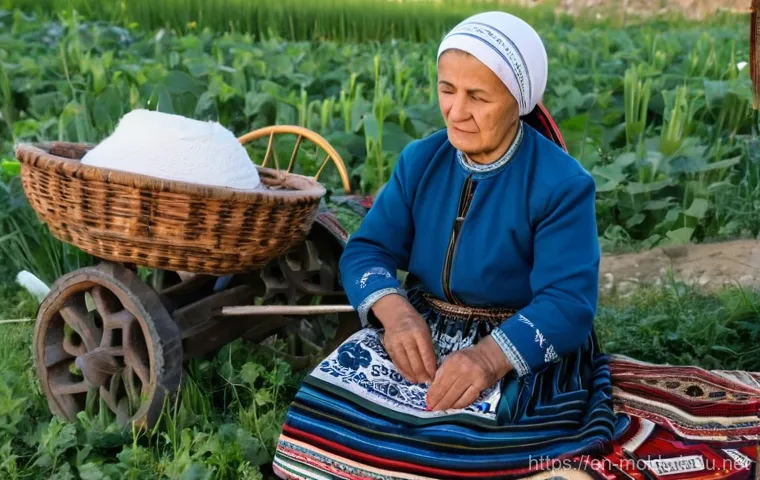
The journey of identity in Moldova is an ongoing one, especially for its younger generations who are growing up in a world increasingly connected. While older generations might have strong ties to Soviet-era influences or a clearer distinction between Moldovan and Romanian identity, younger people are often more fluid.
They might embrace their Moldovan roots while also feeling a strong European orientation, or seamlessly integrate Russian culture into their lives alongside Gagauz traditions.
I’ve had some truly eye-opening conversations with students who are proud of their heritage but also keenly aware of global trends and the importance of looking forward.
This isn’t just about preserving the past; it’s about actively shaping the future. There are discussions and initiatives focused on fostering a shared civil identity that transcends ethnic differences, promoting inter-community dialogue, and supporting education in minority languages.
It’s a complex dance between honoring tradition and adapting to new realities, but it’s a dance that Moldova performs with grace and a deep sense of purpose.
The willingness to engage with these complexities and strive for unity is truly inspiring, and it’s a constant reminder that identity is always in motion.
Embracing Autonomy: The Unique Case of Gagauzia
A Turkic Heart in a Slavic and Romance Land
One of the most compelling examples of Moldova’s intricate ethnic landscape is the autonomous region of Gagauzia. Tucked away in the south, this area is home to the Gagauz people, a Turkic ethnic group with a fascinating history and a distinct culture.
I remember my first visit, feeling like I had stepped into a different world within Moldova, with a strong sense of unique identity. While they are Christian Orthodox, their language, Gagauz, is Turkic, connecting them culturally to a completely different part of the world than their immediate neighbors.
It’s a striking contrast to the predominant Moldovan/Romanian and Slavic influences found elsewhere. The region gained its autonomous status in 1994, following a period of tensions, and it’s a crucial model for how Moldova manages its diverse communities.
This self-governing status allows the Gagauz to preserve their language and traditions, maintain their own institutions, and have a greater say in their local affairs.
It’s a testament to Moldova’s commitment to minority rights and its recognition that true national unity can be achieved through decentralization and respect for unique cultural expressions.
Bridging Divides Through Language and Education
The Gagauz experience highlights the delicate balance of preserving local identity while integrating into the broader national framework. For years, the Gagauz language has been recognized as a minority language under European conventions, obliging Moldova to protect and promote its usage.
However, like many minority languages, it faces challenges, particularly with the widespread use of Russian within the community and in education. I’ve seen firsthand the efforts being made in Gagauzia to strengthen Gagauz language education, develop cultural programs, and encourage its use in public life.
It’s not just about teaching a language; it’s about ensuring that a vibrant cultural heritage continues to thrive for future generations. There’s an ongoing dialogue between the Gagauz leadership and the central Moldovan government, often revolving around the practicalities of language use in official contexts and schools.
It’s a complex situation, sometimes fraught with external influences, but the underlying drive from the Gagauz community to maintain their distinctiveness, coupled with Moldova’s commitment to support them, shows a deep respect for the concept of cultural pluralism.
This dynamic exchange is vital for ensuring that Gagauzia remains a flourishing and integral part of the Moldovan mosaic.
The Evolving Mosaic: Challenges and Hopes for the Future
Building Unity in Diversity
Moldova’s journey as a multi-ethnic nation is a continuous work in progress, one that is truly inspiring to witness. While there’s a general spirit of tolerance, like any country, Moldova faces challenges in ensuring full inclusion for all its diverse communities.
Stigmatization and stereotyping, particularly of the Roma community, are issues that organizations like the Council of Europe have highlighted, underscoring the ongoing need for awareness and anti-discrimination efforts.
Yet, what stands out is the nation’s consistent stride towards enhancing diversity and fostering a shared civic identity. I’ve seen some incredible initiatives, from community-based mediators working to address specific needs at the local level to national programs aiming to align legislation with European standards for minority protection.
It’s a dedicated effort to ensure equal access to education, social inclusion, and economic opportunities for all groups. This proactive approach, driven by both governmental bodies and grassroots organizations, shows a genuine commitment to building a society where every thread, no matter how small, is valued and woven into the national fabric.
It’s not about erasing differences, but about celebrating them as fundamental strengths.
A Future Woven from Diverse Threads
Looking ahead, the future of Moldova’s ethnic diversity seems to be one of cautious optimism and continued evolution. The increasing urbanization means that different ethnic groups are living closer, interacting more, and often becoming more multilingual.
Young Moldovans are often exposed to a wider array of cultures and languages than previous generations, potentially fostering an even greater sense of shared identity rooted in their nation’s diversity.
The country’s ongoing efforts towards European integration also play a significant role, as they emphasize principles of human rights, non-discrimination, and the protection of national minorities.
This alignment with broader European values encourages a more inclusive approach to governance and social development. I truly believe that Moldova’s multi-ethnic character isn’t just a historical legacy but a dynamic, living asset that will continue to enrich its culture, strengthen its society, and define its unique place in Eastern Europe.
The warmth and resilience I’ve encountered here, coupled with a genuine desire to build a harmonious future, makes me hopeful that this incredible tapestry will only grow richer with time.
| Ethnic Group (2024 Census Data) | Approximate Percentage of Population | Major Languages Spoken (beyond Romanian) |
|---|---|---|
| Moldovans | 77.2% | Romanian (local term: Moldovan), Russian |
| Romanians | 7.9% | Romanian |
| Ukrainians | 4.9% | Ukrainian, Russian |
| Gagauz | 4.2% | Gagauz, Russian |
| Russians | 3.2% | Russian |
| Bulgarians | 1.6% | Bulgarian, Russian |
| Roma | 0.4% | Romani, Romanian, Russian |
| Other Ethnic Groups | 0.5% | Various (e.g., Polish, German) |
Wrapping Things Up
And there you have it, folks! What a journey we’ve taken through the rich and wonderfully complex tapestry that is Moldovan identity. From the historical ties that bind it to Romania, to the vibrant threads of Russian, Ukrainian, Gagauz, and Bulgarian cultures, it’s clear that Moldova is so much more than the sum of its parts. I truly hope my insights, drawn from experiencing these unique cultural layers firsthand, have helped paint a clearer picture of this resilient and incredibly hospitable nation. It’s a place that continually surprises and delights, proving that embracing diversity truly makes a country shine.
Handy Insights for Your Moldovan Adventure
-
Language Flexibility is Key: While Romanian (often locally called Moldovan) is the official language, don’t be surprised by the prevalent use of Russian, especially in urban areas and among older generations. Learning a few basic phrases in both can truly open doors and warm hearts. I’ve found that even a simple “Bună ziua!” or “Zdravstvuyte!” goes a long way!
-
Prepare for Heartfelt Hospitality: Moldovans are renowned for their incredible warmth and generosity. If you’re invited into a home, expect to be treated like family, with tables groaning under the weight of delicious homemade food and flowing wine. It’s an experience that truly defines the spirit of the country, and one you shouldn’t miss.
-
Explore the Wine Routes: Moldova boasts an ancient and proud winemaking tradition, home to some of the world’s largest underground wine cellars. A visit isn’t complete without delving into this rich heritage, perhaps with a tour and tasting. It’s not just a drink; it’s a vital part of their national identity and economy, offering a truly immersive cultural experience.
-
Seek Out Local Festivals: The country’s calendar is dotted with vibrant celebrations, from the spring ritual of Martisor to lively harvest festivals. These events are fantastic opportunities to witness traditional music, dance, and cuisine in full swing, offering a genuine glimpse into the soul of Moldova’s diverse communities. Always check local listings for what’s happening!
-
Embrace the Unexpected in Gagauzia: For a truly unique cultural immersion, consider a trip to the autonomous region of Gagauzia. Here, you’ll encounter a distinct Turkic culture and language, blending seamlessly (and sometimes complexly) with the broader Moldovan context. It’s a fascinating example of how minority communities maintain their heritage within a larger national framework.
Key Takeaways from Our Cultural Dive
If there’s one thing I hope you take away from our exploration, it’s that Moldova’s identity is a dynamic and fascinating mosaic, not a monolithic block. It’s a place where history has carved deep channels, creating a society that is both deeply rooted in its Romanian heritage and beautifully enriched by Slavic, Turkic, and other influences. This constant interplay of cultures is not just a historical footnote; it’s a living, breathing reality that shapes daily life, from the languages spoken in marketplaces to the flavors on your plate. What I’ve consistently observed, and what truly inspires me, is the remarkable resilience and spirit of its people. Despite centuries of external pressures, they’ve managed to preserve their unique traditions while also striving to build a unified future where every community feels valued. Moldova truly exemplifies how diversity, when embraced and respected, becomes an undeniable source of strength and cultural richness, making it an endlessly intriguing destination for anyone keen to understand the intricate dance of identity in modern Europe.
Frequently Asked Questions (FAQ) 📖
Q: What makes Moldova such a fascinating melting pot of cultures, and how did it get to be so diverse?
A: Oh, this is one of my favorite questions! Moldova’s incredible diversity isn’t just a happy accident; it’s a direct result of its geographical location and a truly tumultuous history.
Imagine a land strategically placed right at the intersection of major empires—the Ottoman, Russian, and Austro-Hungarian empires all vied for control here over centuries.
Each wave of influence, each border change, brought new peoples, new languages, and new traditions. I always picture it like layers of an archaeological dig, where every stratum tells a story of a different civilization.
For instance, the Romanian influence is strong because historically, much of modern-day Moldova was part of principality of Moldavia, which shared deep cultural and linguistic ties with Romania.
Then you have the long period under Russian imperial and Soviet rule, which led to significant migration of Russians and Ukrainians, many of whom settled here.
And don’t even get me started on the unique Gagauz people, Turkic by origin but Orthodox Christian by faith, who have an autonomous region right within Moldova!
It’s this constant ebb and flow of empires, migrations, and cultural exchanges that has truly sculpted Moldova into the rich, multicultural mosaic we see today.
It really reminds you how interconnected history is, doesn’t it?
Q: Beyond the statistics, what are some tangible ways this ethnic diversity enriches everyday life and culture in Moldova?
A: This is where it gets really exciting and personal! When I visited, what struck me immediately wasn’t just the numbers, but how palpable this diversity is in the daily rhythm of life.
It’s not just about different languages being spoken; it’s about a vibrancy that touches everything from the kitchen to the concert hall. Think about food – you get the hearty Moldovan mamaliga, but then you’ll also find incredible Ukrainian borscht, Russian pelmeni, and even the unique Gagauz shorpa.
The music scene is another fantastic example; you can hear traditional Moldovan folk tunes with their distinctive flutes and cimbaloms, but also modern pop with Slavic influences, and even the energetic rhythms of Gagauz folk dances.
And let’s not forget the festivals! These aren’t just one-note celebrations; they often weave together different traditions, creating a truly unique spectacle.
I remember attending a local market and seeing different ethnic groups selling their specific crafts, produce, and textiles side-by-side, sharing stories and laughter.
It genuinely felt like a living, breathing tapestry where each thread, distinct yet intertwined, makes the whole fabric stronger and more beautiful. It’s a real treat for the senses and genuinely makes you feel like you’re experiencing several worlds at once!
Q: How does Moldova balance maintaining these diverse cultural identities while also building a unified national identity in the modern world?
A: This is probably the most complex and fascinating aspect, and it’s something I often ponder about when looking at multicultural societies. Moldova is truly navigating this delicate dance, striving to honor each group’s heritage while fostering a shared sense of belonging for everyone living there.
From my perspective, a big part of it comes down to language and education. While Moldovan (which is virtually identical to Romanian) is the official language, Russian is widely spoken and understood, acting as a lingua franca for many, especially among older generations and ethnic minorities.
You’ll also find schools that teach in minority languages, like Russian, Ukrainian, and Gagauz, which is vital for preserving those cultures. On the policy front, the government recognizes and supports minority rights, aiming to ensure that no single group feels marginalized.
Of course, it’s not without its challenges; like any diverse nation, there are ongoing discussions about integration, representation, and political identity, especially given the country’s geopolitical context.
But what I’ve observed is a genuine effort at the grassroots level, through cultural centers, community events, and shared public spaces, where people from different backgrounds interact and find common ground.
It’s a continuous journey, but seeing how they work towards a future where everyone feels proudly Moldovan, regardless of their ethnic background, is truly inspiring.
It really makes you appreciate the resilience and spirit of the people, striving for harmony amidst such rich diversity!