Heading to Moldova and wondering if your trusty credit card will be your best friend or leave you scrambling for cash? I’ve been there, navigating the bustling markets of Chisinau and the charming villages, trying to figure out the easiest way to pay.
While cards are definitely gaining ground in urban centers, there are still quite a few spots where a bit of local currency goes a long way. Forget those pre-trip jitters about transactions and unexpected fees; I’m here to spill the beans on mastering Moldovan payments.
Let’s dive right into exactly what you need to know to spend like a local!
Navigating the Leu Labyrinth: Getting Your Cash Game On
When I first touched down in Moldova, I admit, I was a bit overconfident with my credit cards. I mean, it’s 2025, right? Everyone takes plastic!
Well, my friends, while that’s increasingly true in some parts, cash – specifically the Moldovan Leu (MDL) – is still your absolute best friend in many situations.
My advice? Embrace the local currency. You’ll find yourself needing it for those charming roadside stands selling fresh fruit, the small, family-run cafes where the coffee is incredible, or even just for a taxi ride when you hail one off the street.
There’s a certain freedom in knowing you can pay for anything, anywhere, without having to ask “Do you take card?” and potentially facing a blank stare.
It makes you feel less like a tourist and more like someone who actually knows what they’re doing. Trust me, it’s worth having a healthy stash of Lei on hand, especially if you plan to venture outside Chisinau’s more modern areas.
Why Cash is Still King in Rural Areas
Stepping out of the capital city and exploring the stunning monasteries or picturesque vineyards, you’ll quickly realize why cash remains sovereign. Many smaller towns and villages simply aren’t equipped with POS terminals, or if they are, the internet connection might be spotty, making card transactions unreliable.
I once found myself at a beautiful guesthouse in Orheiul Vechi, ready to pay for a fantastic home-cooked meal, only to find their card machine was “down for the week.” Thankfully, I had enough Lei to cover it, but it was a stark reminder not to rely solely on plastic outside the urban buzz.
These are the places where authentic Moldovan experiences truly come alive, and you don’t want a payment snag to dampen your adventure. Always assume cash is preferred, or even required, when you’re exploring the heart of Moldova.
Small Purchases, Big Differences: When to Pull Out Leus
Even in Chisinau, for those smaller, everyday purchases, cash often just makes things smoother. Think about buying a pastry from a bakery, grabbing a bottle of water from a kiosk, or paying for public transport.
While some larger supermarkets or chain stores might accept cards for even tiny amounts, many smaller vendors prefer cash to avoid transaction fees. I remember trying to buy a single magnet from a souvenir stall near the Triumphal Arch, and the vendor kindly but firmly pointed to a “Cash Only” sign.
It wasn’t an issue, but it highlighted that for anything under, say, 100-200 MDL, having cash is generally faster and more appreciated. It’s about respecting local customs and making life easier for everyone involved.
Plus, it helps you manage your budget a bit better when you’re physically handing over money.
Plastic Power in Chisinau and Beyond: Where Cards Shine
Now, don’t get me wrong, credit and debit cards are absolutely indispensable in Moldova, especially in the larger cities. Chisinau, in particular, is becoming increasingly card-friendly.
You’ll find that most modern establishments – think your larger grocery stores like Linella or Kaufland, popular restaurants, fashionable cafes, and international hotel chains – readily accept Visa and Mastercard.
American Express, while accepted in some tourist-heavy spots, is less common, so I wouldn’t rely on it as my primary card. When I was there last spring, I used my card extensively for bigger purchases, like fancy dinners or a new pair of shoes I just *had* to have.
It’s convenient, tracks your spending, and often offers better exchange rates than cash exchanges. The key is to know where and when to use them to avoid any awkward moments at the checkout.
Always look for the card logos displayed, usually at the entrance or near the register, but when in doubt, just politely ask “Card?” It’s a simple question that can save you a lot of hassle.
Major Cities and Modern Establishments
In the vibrant heart of Chisinau, you’ll be hard-pressed to find a major business that doesn’t accept card payments. This includes department stores, most sit-down restaurants, cinemas, and even some larger pharmacies.
I often opted for card payments in these places, mainly for security and the ease of not carrying excessive cash. It’s comforting to know that if you’re spending a larger sum, you have the protection of your bank behind you.
However, it’s always smart to have a backup, even in the most modern settings. Technology can fail, and sometimes, for reasons unknown, a card might just not go through.
A good rule of thumb I’ve adopted is to use my card primarily for expenses over, say, 300-500 MDL, where the transaction fees are less impactful, and the convenience outweighs the small hit.
The Convenience Factor: When to Swipe
The convenience of cards truly comes into play when you’re managing larger bills or simply don’t want the fuss of counting out crumpled Lei notes. Imagine paying for a significant hotel stay, a rental car, or a substantial meal with friends.
Swiping your card just feels smoother and more professional. Plus, for those of us who track our expenses for budgeting or business, card statements are a lifesaver.
I personally love seeing exactly where my money went, and that’s something cash just can’t offer as easily. Contactless payment options are also slowly gaining traction in some places, so if your card supports it, definitely give it a try for speed and hygiene.
It’s these little modern touches that really make a difference, especially when you’re on the go and trying to maximize your travel time.
ATM Adventures: What to Expect When You Need Cash
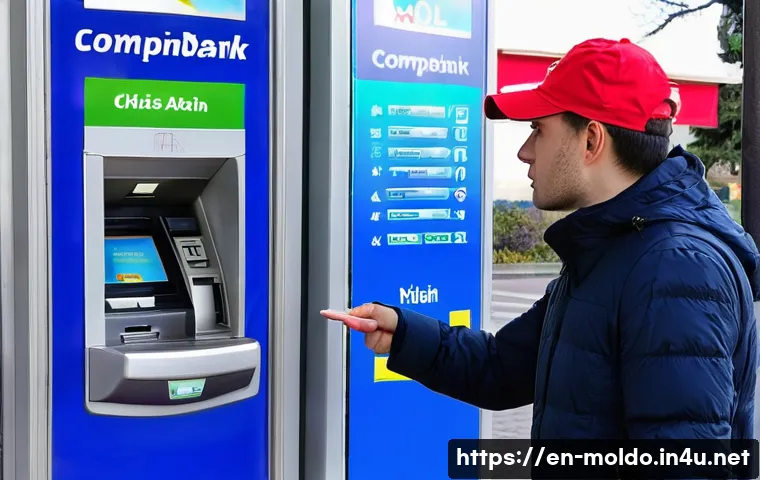
Eventually, you’ll need cash, and ATMs are your go-to. Finding them in Chisinau is a breeze; they’re practically on every corner, usually outside banks or inside larger shopping centers.
Look for major banks like Moldindconbank, Victoriabank, or maib (formerly Moldova Agroindbank). Their ATMs are generally reliable, well-maintained, and offer instructions in English.
My first few ATM withdrawals in Moldova were a mix of excitement and mild anxiety – would my card work? Would I get charged a fortune? Thankfully, the process is straightforward, but there are a few things you should absolutely be aware of before you insert your card.
Always opt to be charged in the local currency (Moldovan Lei) rather than your home currency. This is crucial for getting the best exchange rate. If an ATM offers to convert to your home currency, it’s using something called Dynamic Currency Conversion (DCC), which almost always comes with a much worse rate.
Finding Reliable ATMs and Avoiding Fees
As I mentioned, major bank ATMs are your safest bet. They’re secure, less likely to be tampered with, and usually provide clear fee structures. While many Moldovan banks don’t charge an ATM fee on their end for international withdrawals, your home bank almost certainly will.
These fees can add up if you’re making frequent small withdrawals. My personal strategy is to make fewer, larger withdrawals to minimize the impact of these fixed fees.
Before you travel, it’s always a good idea to check with your bank about their foreign ATM fees and any partner banks they might have in Moldova that could offer reduced charges.
Some travel cards also offer fee-free international withdrawals, which can be a real game-changer. I’ve found that using a combination of a fee-free debit card and a backup credit card works wonders.
Daily Limits and Safety Tips
Most ATMs will have a daily withdrawal limit, which can vary depending on the bank and even the specific ATM. In my experience, these limits are usually around 5,000-10,000 MDL (roughly $280-$560 USD), which is generally sufficient for daily expenses.
However, if you’re planning a big purchase that requires cash, you might need to spread your withdrawals over a couple of days or visit a bank branch during business hours for a larger exchange.
Safety is also paramount. Always be aware of your surroundings when using an ATM, especially at night. Try to use ATMs in well-lit, busy areas, ideally inside a bank lobby or a shopping center.
Cover the keypad when you enter your PIN, and store your cash securely before leaving the ATM area. Trust your gut – if an ATM looks suspicious or out of place, move on to the next one.
Tipping Etiquette and Everyday Transactions: Blending In
Navigating the social nuances of payments in a new country can be tricky, and Moldova is no exception. Tipping, for instance, isn’t as rigidly structured as in some Western countries, but it’s definitely appreciated for good service.
For me, part of the joy of travel is trying to blend in, even just a little, and understanding these small customs helps immensely. Beyond tipping, there’s a whole world of everyday transactions, from haggling at markets to paying for public transport, where knowing the local way can save you money and make your experience smoother.
It’s about being observant and respectful of how Moldovans conduct their daily financial lives. These are the moments where having a mix of cash and card really shows its value, allowing you to adapt to any situation.
Understanding Service Charges and Gratuities
In many restaurants in Moldova, particularly in larger cities, a service charge might already be included in your bill, usually around 10%. Always check the receipt to see if “serviciu inclus” (service included) or a similar phrase is present.
If it is, an additional tip isn’t strictly necessary, but rounding up the bill or leaving a small extra amount for exceptional service is a nice gesture.
If no service charge is included, a tip of 10% is generally considered appropriate for good service. For smaller establishments or cafes, rounding up to the nearest convenient amount or leaving a few extra Lei is common.
For taxi drivers, rounding up to the nearest 10 or 20 MDL is usually sufficient. It’s not about being extravagant, but showing appreciation. I’ve found that a polite “Mulțumesc!” (Thank you!) along with a small tip goes a long way in building goodwill.
Market Bargains and Street Food Finds
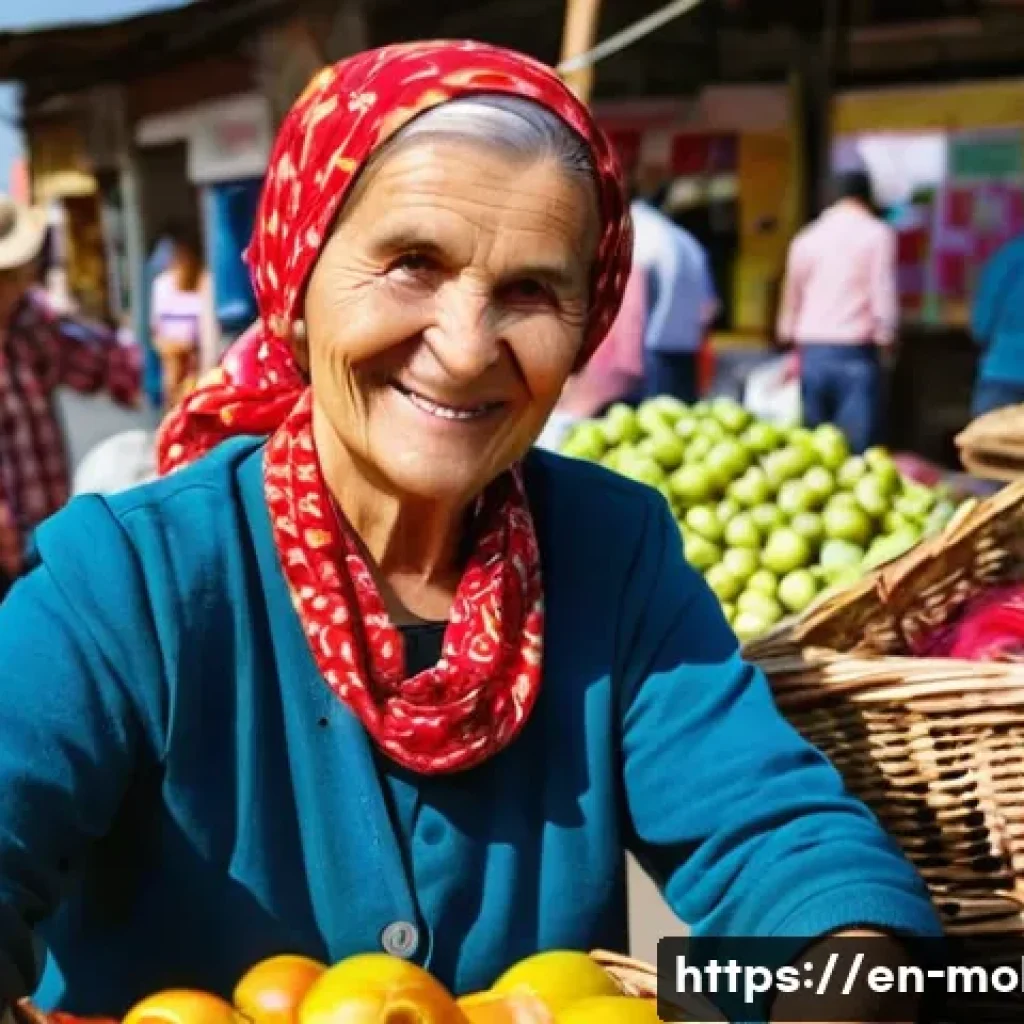
One of my favorite parts of visiting any new country is exploring local markets, and Moldova’s markets are fantastic! From the bustling Central Market in Chisinau to smaller village bazaars, this is where cash reigns supreme.
You won’t find any card machines here, and honestly, you wouldn’t want them. The vibrant atmosphere, the fresh produce, the handmade crafts – it’s all part of the cash-only experience.
This is also where you might try your hand at a little friendly haggling, especially for non-food items. It’s expected, and often part of the fun! For delicious street food like plăcinte (traditional Moldovan pastries) or mici (grilled sausages), cash is also the only way to go.
These small, authentic culinary experiences are incredibly rewarding, and having your Lei ready ensures you don’t miss out.
Smart Money Moves: Pre-Trip Planning for Peace of Mind
Before you even step on the plane, a little bit of financial planning can save you a whole lot of stress once you’re in Moldova. I learned this the hard way on a previous trip where I forgot to notify my bank, leading to a temporary card block.
Not fun! Taking a few proactive steps can ensure your money matters run as smoothly as possible, letting you focus on soaking in the culture and sights, rather than worrying about transactions.
It’s all about minimizing surprises and maximizing your enjoyment, because let’s be real, no one wants financial headaches when they’re trying to relax on vacation.
A bit of foresight really does go a long way in setting you up for a financially seamless journey.
Notifying Your Bank and Exchange Rate Awareness
This is probably the most crucial step: call your bank and credit card companies before you leave and tell them your travel dates and destinations. This prevents them from flagging your international transactions as suspicious activity and blocking your card.
Believe me, dealing with a blocked card from abroad is a nightmare! While you’re on the phone, inquire about their foreign transaction fees – some cards charge up to 3% on every purchase made abroad, which can seriously add up.
Also, try to get a sense of the current exchange rate for MDL. While rates fluctuate, knowing the approximate value helps you budget and spot any rip-offs.
I always use a reliable currency converter app on my phone to quickly check rates on the go, just to make sure I’m getting a fair deal.
Carrying a Mix: The Best Strategy
My ultimate advice for payments in Moldova is to adopt a “mixed method” approach. Don’t rely solely on cash, and definitely don’t rely solely on cards.
I typically travel with a primary debit card for ATM withdrawals, a secondary credit card for larger purchases and as a backup, and a good amount of local currency.
How much cash? Enough for a few days’ worth of small purchases, meals, and emergencies. For example, starting with about 1,000-2,000 MDL (around $55-$110 USD) upon arrival is a comfortable amount, which you can then replenish as needed from ATMs.
Spreading your funds across different payment methods and even carrying a small amount of emergency USD or EUR (which can be easily exchanged at currency exchange offices, called “casa de schimb”) gives you incredible flexibility and peace of mind.
Unexpected Hurdles: Avoiding Payment Pitfalls
Even with the best planning, travel sometimes throws a curveball. I’ve had my share of “oh no!” moments with payments abroad, and Moldova was no exception.
Learning from these experiences is key, and being prepared for common pitfalls can save you from unnecessary stress or financial losses. From card declines to sneaky charges, being a savvy traveler means anticipating these bumps in the road and having a strategy to navigate them.
It’s about empowering yourself with knowledge so that you can react calmly and effectively, ensuring that small payment issues don’t overshadow your amazing trip.
A little bit of vigilance goes a long way in protecting your wallet and your travel mojo.
Card Declines and Backup Plans
There’s almost nothing more frustrating than having your card declined when you’re trying to pay, especially if you’re holding up a line. This can happen for various reasons: your bank flagged it, the terminal is faulty, or you’ve hit a daily limit.
My absolute golden rule is to always carry at least two different cards (from different banks if possible) and always have enough cash for a meal or two as a backup.
If one card fails, you can try another or simply pay with cash. This simple strategy has saved me from embarrassment and inconvenience more times than I can count.
Also, make sure you have the international phone number for your bank readily available, just in case you need to call them to unblock a card or report an issue.
This preparation is a small effort for a huge reward in peace of mind.
Beware of Dynamic Currency Conversion
I briefly touched on this earlier, but it’s worth reiterating because it’s a genuine money trap. Dynamic Currency Conversion (DCC) is when a merchant or ATM offers to charge you in your home currency instead of the local currency (MDL).
While it might seem convenient to see the cost in dollars or pounds, this “service” comes at a steep price. The exchange rate they use is almost always significantly worse than the rate your bank would give you, plus they often add an extra markup.
Always, *always* choose to be charged in Moldovan Lei (MDL). If you’re paying with a card at a POS terminal and they ask, choose MDL. If you’re at an ATM, decline the option to convert to your home currency.
This seemingly small choice can save you a significant amount over the course of your trip, allowing you to spend that extra cash on more adventures!
| Payment Method | Best Used For | Where It’s Accepted | Key Considerations |
|---|---|---|---|
| Moldovan Lei (Cash) | Small purchases, markets, rural areas, street food, taxis, tips, emergencies | Ubiquitous, essential outside major cities, preferred by small vendors | Always carry a supply, preferred for small sums, good for haggling |
| Credit/Debit Card (Visa/Mastercard) | Larger purchases, hotels, major restaurants, supermarkets, car rentals | Major cities (Chisinau), modern establishments, larger chain stores | Notify your bank, avoid DCC, check foreign transaction fees, have a backup |
| ATM Withdrawals | Replenishing cash supply, getting local currency | Found in cities (banks, shopping centers) | Use major bank ATMs, withdraw larger sums less often, choose MDL over home currency, be aware of daily limits and surroundings |
| Emergency USD/EUR | Backup for currency exchange, unforeseen circumstances | Currency exchange offices (“casa de schimb”) in cities | Easily exchanged if needed, not directly used for transactions |
Beyond the Basics: Digital Wallets and Future Trends
While Moldova might not be at the cutting edge of digital payment adoption compared to some other European nations, it’s definitely moving in that direction.
As someone who always keeps an eye on how technology shapes our travel experiences, I’ve noticed a slow but steady increase in options beyond just traditional cards and cash.
It’s exciting to think about what the future holds for payments in places like Moldova, and understanding these emerging trends can give you an edge as a traveler.
While you won’t be able to ditch your physical wallet entirely just yet, it’s good to know what to look out for and how to prepare for a more digitally connected world, even in charmingly traditional destinations.
The Slow Rise of Contactless Payments
Contactless payment methods, like tapping your card or using Apple Pay/Google Pay on your smartphone, are slowly making their way into Moldovan retail.
In Chisinau, I’ve found some newer POS terminals in larger supermarkets, cafes, and even some public transport options that support tap-to-pay. It’s incredibly convenient when it works – just a quick tap and you’re done!
However, don’t expect it everywhere. Many older terminals still require you to insert your card and enter your PIN, and some places simply don’t have the technology at all.
My advice? Try it if you see the contactless symbol, but always have your physical card ready as a fallback. It’s a nice bonus when available, but not something to rely on consistently across the entire country.
What to Watch Out For Next
Looking ahead, I anticipate that mobile payment apps will become more prevalent, especially as younger generations push for more digital solutions. While not widely adopted for tourists yet, keep an eye out for local apps that might integrate with payment systems.
Peer-to-peer payment services are also growing globally, and it wouldn’t surprise me if more local businesses start exploring these options. As Moldova continues to develop and integrate with the wider European economy, financial technology is bound to evolve.
For now, the combination of cash and card is your winning ticket, but staying informed about these trends can only enhance your future travel experiences and ensure you’re always prepared for the next wave of payment innovation.
Concluding Thoughts
Whew, that was a whirlwind tour of Moldovan payments, wasn’t it? My hope is that by sharing my own experiences and a few hard-learned lessons, you’ll feel much more confident and prepared for your own adventure. Navigating local currencies and payment methods is all part of the immersive travel experience, and honestly, it’s one of the things that makes a trip truly memorable. So go ahead, embrace the Leu, swipe your card wisely, and most importantly, enjoy every single moment of discovery in this incredible country!
Handy Tips for Your Wallet in Moldova
1. Always notify your bank and credit card companies about your travel plans to Moldova before you go to prevent any card blocks. A quick call saves a huge headache!
2. Prioritize making ATM withdrawals at major bank branches like maib, Victoriabank, or Moldindconbank for security and reliability.
3. When using an ATM or paying with a card, *always* choose to be charged in Moldovan Lei (MDL) to avoid the terrible exchange rates of Dynamic Currency Conversion (DCC).
4. Carry a sensible mix of Moldovan Lei cash for small purchases, markets, and rural areas, and your credit/debit cards for larger expenses in cities.
5. Have a backup payment method! Whether it’s a second card from a different bank or some emergency USD/EUR for exchange, it’s a lifesaver if your primary card fails.
Key Takeaways for a Smooth Trip
Ultimately, a successful payment strategy in Moldova comes down to smart preparation and flexibility. Don’t be afraid to use cash, especially outside Chisinau, and become adept at knowing when your card is the better option. By being mindful of exchange rates, protecting your PIN, and always having a backup, you’ll not only save money but also sail through your trip with absolute financial peace of mind. Happy travels, my friends!
Frequently Asked Questions (FAQ) 📖
Q: So, how reliable are credit cards in Moldova, especially once you venture beyond the hustle and bustle of Chisinau?
A: Honestly, it’s a bit of a mixed bag, and my personal experience has definitely shown me that preparedness is key! In Chisinau and other larger cities like Balti or Tiraspol (if you’re heading to Transnistria, which is a whole other adventure!), you’ll find that most hotels, larger restaurants, modern supermarkets, and even some fancy boutiques are absolutely fine with Visa or Mastercard.
I’ve swiped my card without a hitch at a lovely cafe right near the Nativity Cathedral. But here’s the kicker: the moment you step out of these urban centers, or even into a smaller, local shop or market stall in the city, cash quickly becomes king.
I remember trying to pay for some incredible fresh produce at a village market, only to be met with a friendly but firm “cash only!” My heart sank a little because I was short on Leu at that moment.
So, while card acceptance is growing, especially since my first visit years ago, it’s still not as ubiquitous as in Western Europe or North America. Don’t rely solely on plastic for your whole trip!
Q: What’s your top tip for balancing cash and cards while exploring Moldova to avoid any payment headaches?
A: From my many travels, I’ve really honed in on a hybrid approach that works like a charm. My absolute golden rule is this: always have a good stash of Moldovan Leu (MDL) on you.
I usually hit up an ATM at a reputable bank when I first arrive in Chisinau or a major town. Think of it as your financial safety net. You’ll need cash for those charming little family-run eateries, most taxis, public transport (especially the marshrutkas – those mini-vans are an experience!), smaller souvenir shops, and certainly any rural markets or guesthouses.
For bigger expenses, like your hotel bill, a nicer sit-down dinner in the city, or a large grocery haul at a modern supermarket, then absolutely, whip out your credit card.
This strategy lets you enjoy the convenience of cards where they’re accepted, but more importantly, it ensures you’re never caught off guard and can immerse yourself in the local culture without transaction worries.
It really helps you feel like you’re spending like a local!
Q: Are there any sneaky fees or common pitfalls I should be aware of when using my credit card or pulling cash from an
A: TM in Moldova? A3: Oh, absolutely! This is where a little savvy can save you a pretty penny.
The biggest thing to watch out for at ATMs and even some card terminals is something called Dynamic Currency Conversion (DCC). This is where the machine or vendor offers to charge you in your home currency (like USD or EUR) instead of the local Moldovan Leu.
It might sound convenient, but please, always choose to be charged in the local currency (MDL)! When you opt for your home currency, the exchange rate is set by the ATM operator or merchant, and trust me, it’s almost always worse than what your bank would give you.
It’s a classic hidden fee that can add 5-10% to your transaction. I made this mistake once and felt so annoyed when I checked my statement! Also, be mindful of ATM fees.
Stick to ATMs associated with major banks (like Moldindconbank, Moldova-Agroindbank, Victoriabank) as they tend to have clearer fee structures, and sometimes your home bank might even have a partnership that reduces or waives fees.
And just a friendly heads-up: while rare, some smaller, less reputable shops might try to add a surcharge for card payments. Always double-check your bill!