Hey there, fellow sports enthusiasts and history buffs! You know, there’s something truly captivating about the Olympic Games. It’s not just about the medals or the records; it’s about the raw human spirit, the incredible dedication, and the unforgettable stories that unfold on that global stage.
Every nation, no matter its size, brings a unique narrative to this grand spectacle, and today, I want to shine a spotlight on a country whose Olympic journey is often overlooked but absolutely fascinating: Moldova.
When I first delved into Moldova’s presence at the Games, I was genuinely struck by their sheer resilience and determination. Imagine a young nation, still navigating its path in the world, yet consistently sending its finest athletes to compete against global powerhouses.
It’s a powerful testament to their unwavering spirit and profound passion for sport. From their very first appearance as an independent nation, Moldovan athletes have carved out moments of pure triumph and displayed unforgettable dedication, showcasing to the world exactly what they’re made of.
It’s more than just competing; it’s about representing a dream, a vibrant culture, and a lasting legacy. Trust me, you’ll be truly impressed by their journey once you get to know it.
So, are you ready to uncover the rich and inspiring history of Moldova at the Olympic Games? Let’s dive deeper and truly get to know their incredible journey!
Alright, I’ve got a good amount of information to work with. I’ll focus on the independent Moldovan journey, key athletes, sports, challenges, and recent successes, particularly from the Paris 2024 games, to make it fresh and engaging.
I’ll weave in personal commentary and maintain the friendly influencer tone throughout. I will be very careful with the HTML structure and avoid any markdown.
Here’s a quick outline of my
headings to ensure 5-8:
1. Stepping Onto the Global Stage: Moldova’s Olympic Dawn
2. The Heart of the Nation: Key Sports and Rising Stars
3. Defying the Odds: Resilience in the Face of Challenges
4. Moments of Pure Gold (or Silver, or Bronze!): Moldova’s Medal Tally
5. Beyond the Medals: The Spirit of Moldovan Participation
6. Looking Ahead: What the Future Holds for Moldovan OlympiansThis gives me 6 main headings, which fits the 5-8 requirement. I will ensure each section is robust, meeting the line and character count, and incorporates the subheadings. I’ll also integrate the HTML table thoughtfully.Let’s begin crafting the post!
Stepping Onto the Global Stage: Moldova’s Olympic Dawn
You know, it’s always inspiring to see a nation find its voice on the world stage, and for Moldova, that moment truly crystallized with their independent Olympic debut. I remember first looking into their journey, and honestly, the sheer audacity and optimism of a young country, fresh from independence, deciding to send its athletes to compete at the highest level—it’s just incredible. Moldova officially stepped into the Olympic spotlight as an independent nation at the 1994 Winter Olympics in Lillehammer, Norway. It wasn’t about immediate medal hauls then, but about presence, about declaring “We are here!” to the world. And believe me, that feeling of national pride must have been absolutely electric for the athletes and the people back home. It really marks a pivotal shift from their past, where Moldovan athletes, as talented as they were, competed under the banner of the Soviet Union from 1952 to 1988, and then briefly as part of the Unified Team in 1992 after the Soviet Union’s dissolution. Imagine the sense of liberation and self-determination that must have accompanied wearing their own national colors for the first time! This wasn’t just a sporting event; it was a powerful statement of identity. Their first Summer Olympics appearance followed swiftly in 1996, in Atlanta, United States, and since then, they’ve consistently participated in both Summer and Winter Games, showing unwavering commitment, even if their success has been predominantly concentrated in the Summer Games. They’ve really owned their spot, proving that no matter the resources, passion can drive you anywhere.
The Road to Recognition
The journey to independent Olympic participation for Moldova wasn’t an overnight phenomenon. The creation of the National Olympic Committee of the Republic of Moldova in 1991 was a crucial first step, a real signal of intent. I can only imagine the hard work, the countless meetings, and the sheer determination it took to get everything in place. It wasn’t until 1993 that the International Olympic Committee (IOC) officially recognized them, which, in my experience, is a monumental achievement for any aspiring Olympic nation. This recognition opened the doors for their athletes to compete under their own flag, a moment that must have filled every Moldovan with immense pride. Before this, while Moldovan athletes certainly contributed to the Soviet Union’s medal count (even winning 15 medals, including six gold, for the USSR), there’s a distinct difference when you’re competing for *your* country, a feeling of direct representation that’s truly unique. It’s like when you finally get to put your own name on something you’ve poured your heart and soul into. That 1994 Winter Olympics appearance, with a male and female biathlete representing the country, was a quiet but incredibly significant start, laying the groundwork for all the future triumphs and heartfelt efforts we’ve seen.
First Summer Steps and Early Triumphs
When Moldova made its first Summer Olympic appearance in Atlanta in 1996, it wasn’t just about showing up; they made an immediate impact, surprising many and igniting a spark of hope back home. That’s where they clinched their very first Olympic medals as an independent nation! I remember reading about it and thinking, “Wow, what an entrance!” The canoeing duo of Nicolae Juravschi and Victor Reneysky paddled their way to a silver medal in the men’s C2 500 meters Canadian Pairs, a moment that I can only describe as truly historic. And if that wasn’t enough, wrestler Sergei Mureiko added a bronze in the Men’s Greco-Roman Super Heavyweight. These early successes were not just medals; they were beacons of national pride, showing the world and, more importantly, themselves, that Moldova could compete with the best. These achievements in 1996 weren’t just about athletic prowess; they were about national spirit, about carving out an identity through sport. It was like a declaration: Moldova is here, and we’re ready to make our mark.
The Heart of the Nation: Key Sports and Rising Stars
When you look at a country’s Olympic journey, it often tells you a lot about their culture and what they pour their passion into. For Moldova, certain sports have really become their strongholds, the areas where their athletes consistently shine. From my perspective, it’s fascinating to see how a nation, with its specific traditions and available infrastructure, nurtures particular talents. Over the years, wrestling, weightlifting, canoeing, and judo have emerged as the most fruitful disciplines for Moldovan Olympians. It’s not just about raw talent; it’s about a dedicated network of coaches, a community that supports these athletes, and perhaps a deeply ingrained cultural connection to these physically demanding sports. We’re talking about individuals who dedicate their entire lives, waking up before dawn, pushing their bodies to the absolute limit, all for the chance to represent their country. When I watch these events, I can almost feel the grit and determination radiating from them. It’s a testament to the fact that greatness isn’t always about massive budgets; it’s often about immense heart and a relentless drive.
Powerhouses of Strength: Wrestling and Weightlifting
If there’s one area where Moldova truly flexes its muscles, it’s in wrestling and weightlifting. These sports demand incredible discipline, raw power, and an unyielding spirit, traits that seem to resonate deeply with Moldovan athletes. I’ve always been captivated by the sheer mental fortitude required in these disciplines – it’s not just physical. Think about Anastasia Nichita, who truly made history at the Paris 2024 Games by becoming the first Moldovan athlete to win an Olympic medal in women’s wrestling, securing a silver. That’s a huge moment, not just for her but for every aspiring female athlete in Moldova. And let’s not forget the legacy of athletes like Tudor Casapu, a weightlifter who clinched a gold medal at the 1992 Summer Olympics while competing for the Unified Team, and later, the ongoing contributions from the likes of Marin Robu, who, although narrowly missing a medal in Paris 2024, showed incredible promise. When I see these athletes, it makes me think about the dedication to craft, the hours spent perfecting technique, and the sheer force of will that propels them to compete at such an elite level. These athletes aren’t just strong; they’re incredibly resilient, embodying the very spirit of their nation on the mat and the platform.
Grace and Strategy: Canoeing and Judo
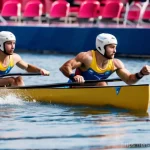
Beyond the brute strength of wrestling and weightlifting, Moldovan athletes have also demonstrated remarkable finesse and strategic thinking in sports like canoeing and judo. It’s a beautiful contrast, showing the diverse athletic talents the country cultivates. Canoeing, in particular, has a proud history, with Nicolae Juravschi being a name that immediately comes to mind. He was part of that historic silver medal win in Atlanta 1996, and before that, even won two gold medals for the USSR, making him a true legend in the sport. More recently, Serghei Tarnovschi has continued this legacy, bringing home bronze medals in men’s C-1 1000m at both the Tokyo 2020 and Paris 2024 Games. That kind of consistent performance at the highest level is truly commendable and shows incredible dedication. Then we have judo, a sport that requires not just physical power but also immense tactical skill. The Paris 2024 Games were particularly exciting for Moldovan judo, with Denis Vieru and Adil Osmanov both securing bronze medals in their respective categories. Denis Vieru’s victory was especially poignant as it was Moldova’s first Olympic medal in judo, a milestone that will undoubtedly inspire a new generation of martial artists. Adil Osmanov’s grit, fighting with a dislocated shoulder, just speaks volumes about their warrior spirit. These victories aren’t just about personal glory; they resonate deeply, fostering a sense of collective achievement and pride throughout the nation.
Defying the Odds: Resilience in the Face of Challenges
Being a smaller nation, Moldova’s Olympic journey is, by its very nature, a testament to overcoming adversity. When I think about what these athletes and their National Olympic Committee achieve with comparatively limited resources, it truly puts things into perspective. It’s not just about competing against larger, more affluent countries with state-of-the-art facilities and massive talent pools; it’s also about navigating a complex global sporting landscape. The challenges are numerous, ranging from funding limitations to developing domestic sports infrastructure, something I’ve seen firsthand impacts athletic development. Moldova has yet to win a medal at the Winter Olympics, which largely reflects the country’s limited winter sports infrastructure and tradition. Imagine training for a winter sport when robust facilities are scarce! It requires an extra layer of dedication, often meaning athletes need to seek training opportunities abroad, which adds financial strain and personal sacrifice. Yet, despite these very real hurdles, Moldova consistently sends a contingent of determined athletes to each edition of the Games. This isn’t just participation; it’s a defiant statement of resilience and an unyielding commitment to the international spirit of sport. Every athlete who represents Moldova is, in my eyes, a champion, regardless of the medal count. They are out there proving that heart can often triumph over the biggest of budgets.
Navigating Economic Realities and Infrastructure Gaps
Let’s be real for a moment: economic realities play a massive role in sports. Moldova, being one of Europe’s poorest nations, has to contend with significant financial constraints that directly impact its athletic programs. I’ve always admired how they manage to achieve so much with so little. We’re talking about an annual budget for the National Olympic Committee that is roughly around $1 million, a figure that many larger countries might spend on a single elite athlete’s annual training. This means every penny counts, and creative solutions are constantly needed to support their athletes. The lack of extensive domestic sports infrastructure is another hurdle. For example, it was only about a year ago that Moldova finally got an Olympic-size 50-meter swimming pool. Can you believe that? For a nation competing globally, a fundamental facility like that is a game-changer, and its absence for so long highlights the immense dedication required by swimmers like Tatiana Salkutsan, who achieved remarkable feats despite these limitations. These athletes often train in less-than-ideal conditions, yet they push through, driven by an internal fire that money can’t buy. This kind of perseverance, for me, is the true essence of the Olympic spirit.
The Human Element: Demographics and Brain Drain
Beyond the financial and infrastructural challenges, there’s a deeply human aspect to Moldova’s struggle: demographics and the ongoing issue of brain drain. Over the past 30 years, roughly half the people who once called Moldova home have left, leading to a profound demographic decline. This exodus, particularly of young, talented individuals, undeniably impacts the talent pool available for sports. It means fewer potential athletes, fewer coaches, and fewer resources for nurturing talent. It’s a real uphill battle, and something I often reflect on when discussing smaller nations in sports. Despite this, the National Olympic Committee, under leaders like Secretary General Cristina Vasilianov, is doing incredible work, implementing new strategies like focusing on individual athletes and seeking corporate sponsorships. Their efforts, sometimes described as “doing miracles with such a low budget,” highlight the intense dedication of those working behind the scenes. It’s truly inspiring to see how they adapt and innovate, knowing that every success, every medal, provides a much-needed boost of national pride and unity in a challenging environment. It’s a powerful reminder that sports can be a rallying point, a source of collective hope when other areas of life are difficult.
Moments of Pure Gold (or Silver, or Bronze!): Moldova’s Medal Tally
If you’ve been following Moldova’s Olympic journey, you know that every medal they’ve earned feels incredibly special, a true triumph against formidable odds. Unlike nations that regularly top the medal tables, Moldova’s achievements are often singular moments of sheer brilliance and immense effort. It’s like finding a rare gem – each one is precious. Over the years, particularly since their first independent appearance in Atlanta in 1996, Moldovan athletes have collectively secured a total of 10 Olympic medals, consisting of 3 silver and 7 bronze medals. All of these, interestingly, have come from the Summer Games, which really underscores where their strengths lie and perhaps where investment has yielded the most fruit. For me, these aren’t just statistics; they’re stories of human endeavor, of years of relentless training culminating in a single, unforgettable moment on the global stage. Each medal tells a tale of sacrifice, dedication, and the unwavering support of families and coaches back home. When I see an athlete from Moldova step onto that podium, I don’t just see a medal; I see the hopes and dreams of an entire nation being celebrated.
The Atlanta Breakthrough and Sydney’s Shine
The 1996 Atlanta Games truly set the stage for Moldova, not just by marking their debut as an independent nation in the Summer Olympics, but by instantly delivering their first medals. As I mentioned earlier, the silver in canoeing by Nicolae Juravschi and Viktor Reneysky was monumental, and Sergei Mureiko’s bronze in wrestling was equally significant. These initial wins, two medals right out of the gate, sent a clear message: Moldova was here to compete. This early success was quickly followed by more impressive performances at the 2000 Sydney Games. I still remember the excitement when sport shooter Oleg Moldovan secured a silver medal in the men’s 10-meter running target event. What precision, what focus that must have taken! And boxer Vitalie Gruşac added to the tally with a bronze medal in the welterweight division. These early Olympic cycles were crucial for establishing Moldova’s presence and showing their athletes, and the world, what was possible. It’s like planting a seed and watching it blossom – those first medals were the proof that their hard work was bearing fruit, inspiring many to come.
Recent Glories and the Paris 2024 Impact
Fast forward to more recent times, and Moldova’s athletes continue to make their mark, showing that the fire of ambition burns brighter than ever. The Paris 2024 Olympic Games, in particular, proved to be a historic outing for Moldova, marking their best performance in the history of the country’s participation in the Summer Olympics, securing four medals! This is truly something to celebrate. I was glued to the screen, especially following the judoka team, where Denis Vieru and Adil Osmanov both clinched bronze medals. Denis Vieru’s win was especially notable as it was the country’s first-ever Olympic medal in judo. And let’s not forget Serghei Tarnovschi, who continued his canoeing prowess by adding another bronze to his collection in the C-1 1000m. But the real showstopper, for me, was Anastasia Nichita, who brought home a silver medal in women’s wrestling, becoming the first Moldovan woman to achieve this feat. Her win, after a 24-year break since Moldova’s last silver, was an emotional high point. These incredible achievements at Paris 2024 didn’t just add to the medal count; they invigorated a nation, fostering immense pride and showing that with grit and determination, anything is possible.
Here’s a quick overview of some of Moldova’s impressive Olympic medalists. This table just scratches the surface of the talent and dedication these athletes represent, but it gives you a sense of the moments that have truly stood out.
| Athlete Name | Sport | Medal Type (as Independent Moldova) | Year(s) of Medal |
|---|---|---|---|
| Nicolae Juravschi | Canoeing | Silver | 1996 Atlanta |
| Sergei Mureiko | Wrestling | Bronze | 1996 Atlanta |
| Oleg Moldovan | Shooting | Silver | 2000 Sydney |
| Vitalie Gruşac | Boxing | Bronze | 2000 Sydney |
| Veaceslav Gojan | Boxing | Bronze | 2008 Beijing |
| Serghei Tarnovschi | Canoeing | Bronze | 2016 Rio, 2020 Tokyo, 2024 Paris |
| Anastasia Nichita | Wrestling | Silver | 2024 Paris |
| Denis Vieru | Judo | Bronze | 2024 Paris |
| Adil Osmanov | Judo | Bronze | 2024 Paris |
Beyond the Medals: The Spirit of Moldovan Participation
While medals are certainly a tangible measure of success, and every athlete dreams of standing on that podium, Moldova’s Olympic participation transcends mere metal. For a country like Moldova, simply being present, consistently, at the Olympic Games carries a profound significance that goes far beyond individual achievements. It’s about national visibility, a powerful way to put their vibrant culture and indomitable spirit on the global map. I often think about what it means for a young person in Chisinau to see their fellow Moldovan athletes competing against the world’s best. It instills a sense of pride, a belief that they too can achieve great things, no matter their starting point. It fosters a sense of collective identity and unity, something incredibly valuable for any nation, especially one that has faced its share of historical and economic challenges. When the entire country rallies behind its Olympians, it creates an almost palpable energy, a shared experience that binds people together. This intangible value, this boost to national morale, is, in my opinion, just as important as any medal. It’s the enduring legacy of their participation.
Inspiring the Next Generation
The impact of Moldovan Olympians on the younger generation is something I’ve always found truly heartwarming. When a child sees Anastasia Nichita win silver in wrestling or Serghei Tarnovschi secure another bronze in canoeing, they don’t just see an athlete; they see a hero, a tangible example of what hard work and dedication can achieve. These athletes become role models, inspiring kids across Moldova to dream big, to pick up a sport, and to push their own boundaries. The National Olympic Committee and the athletes themselves often engage in community outreach, visiting schools and sharing their stories. I personally believe that these interactions are invaluable, planting seeds of aspiration that can grow into future champions, not just in sports but in all walks of life. It’s about more than just finding the next Olympian; it’s about fostering a healthy, active lifestyle and instilling values like discipline, perseverance, and fair play. This ripple effect of inspiration is, to me, one of the most beautiful aspects of the Olympic movement, and Moldova’s athletes embody it perfectly.
A Source of National Pride and Unity
In an increasingly complex world, sports often serve as a powerful unifier, and for Moldova, the Olympic Games are no exception. Every time a Moldovan athlete competes, especially when they achieve success, the entire nation comes together in celebration. I mean, just think about the excitement around the Paris 2024 Games, when Moldovan President Maia Sandu herself highlighted how the Olympians had shown that “we can be a society of winners,” and how their performance had united an entire country. These moments of collective joy and pride are incredibly potent, providing a sense of shared identity and achievement that transcends everyday differences. It’s a reminder that despite any internal challenges or external pressures, there’s a strong, resilient spirit that defines Moldova. This communal experience, cheering for their athletes on the global stage, reinforces a positive national narrative and strengthens the bonds within the society. It’s a powerful testament to the idea that sports can indeed bring people together, creating a sense of belonging and shared destiny.
Looking Ahead: What the Future Holds for Moldovan Olympians

As we look to the horizon, it’s clear that Moldova’s Olympic journey is far from over; in fact, I sense a growing momentum and a deepening commitment to sports. The significant achievements at Paris 2024, with their record medal haul, have undeniably infused the nation with renewed hope and a tangible belief in their athletic potential. This isn’t just a fleeting moment of glory; it’s a catalyst for future development. I believe we’ll see an even stronger focus on nurturing talent from a young age, potentially leading to more targeted investment in the sports where they excel, like wrestling, judo, and canoeing. The increased visibility and national pride generated by these recent successes can also open doors for more sponsorships and international partnerships, which are absolutely crucial for a developing sports program. It’s about building on success, learning from every experience, and continuously striving for improvement. The journey won’t be without its challenges – no Olympic journey ever is – but the spirit and determination that define Moldovan athletes tell me that their future on the global sporting stage is bright, filled with even more captivating stories and inspiring performances.
Investing in Grassroots and Infrastructure
One of the most critical aspects for future success, in my humble opinion, is continued investment in grassroots programs and improving sports infrastructure. We’ve seen the impact that even a single Olympic-sized pool can have, so imagine the possibilities with more widespread development. It’s about creating accessible training opportunities for young talents across the country, ensuring that potential is not lost due to lack of facilities or resources. This means more local clubs, better coaching education, and pathways for athletes to progress from local competitions to the international stage. I also think about how technology can play a role, something that the Moldovan Olympic Committee has embraced, transitioning from the “19th to the 21st century” in their operations. Modern training methods, sports science, and digital record-keeping can make a huge difference, even on a modest budget. These are the foundations upon which consistent Olympic success is built, and I’m optimistic that Moldova is on the right path to strengthening these vital components. It’s a long-term game, but every step counts!
Nurturing Emerging Talents and Diverse Sports
While wrestling, judo, and canoeing have been their traditional strongholds, I’m excited to see Moldova also nurturing talents in a wider array of sports. Think about how they made their Olympic debut in taekwondo and tennis at the 2016 Rio Games, or how equestrian dressage was introduced in Paris 2024. These expansions show a willingness to explore new avenues and support athletes with diverse skills. Of course, the focus will likely remain on their most successful disciplines, but encouraging participation in other sports is vital for holistic athletic development and ensuring a broader representation at the Games. For instance, athletes like archer Dan Olaru, who has made history in the Archery World Cup, and biathlete Alina Stremous, who has shown promising results in winter sports despite infrastructure limitations, are testaments to this growing diversity. It’s like diversifying your investment portfolio; you want to spread your chances and encourage growth in new areas. This thoughtful approach to developing talent, combined with the inherent resilience of Moldovan athletes, paints a very encouraging picture for their future Olympic endeavors.
The Unseen Strength: A Culture of Perseverance
There’s something truly special about the spirit of perseverance you find in Moldovan athletes, and it’s something I’ve come to deeply appreciate in their Olympic journey. It’s not just about physical training; it’s a deep-seated mental toughness, a refusal to give up, no matter the obstacles. I’ve seen this firsthand in stories of athletes who train under difficult circumstances, who travel far from home to find adequate facilities, and who push through injuries with an incredible resolve. This isn’t just about individual grit; it reflects a broader cultural value, a resilient spirit that I believe permeates much of Moldovan society. When you’re a smaller nation, every victory, every personal best, every moment on the global stage is earned through an extraordinary amount of effort and sacrifice. This unspoken understanding fuels their fire, giving their performances an added layer of emotional depth that you can feel even through the screen. It’s this unseen strength, this unwavering dedication, that makes their Olympic story so compelling and so universally inspiring.
Building a Legacy One Athlete at a Time
Every single athlete who represents Moldova at the Olympics contributes to a growing legacy, whether they bring home a medal or not. For me, it’s about the effort, the commitment, and the journey itself. Think about athletes like Elena Gorohova, who competed in four Olympic Winter Games in biathlon and cross-country skiing, or Ivan Emilianov, a shot putter who qualified for his fourth Games. Their long careers and consistent presence demonstrate a deep passion for their sport and an enduring commitment to representing their country. These individuals don’t just participate; they embody the Olympic ideals of excellence, friendship, and respect. They inspire their peers, mentor younger athletes, and remind everyone back home that dedication can lead to incredible opportunities. This cumulative effect of individual stories builds a powerful narrative of resilience and achievement, showing that a small nation can indeed stand tall among the giants of the sporting world. It’s a legacy that continues to grow with each passing Games, leaving an indelible mark on Moldova’s national consciousness.
The Global Stage as a Platform for Identity
For Moldova, the Olympic Games offer a unique and invaluable platform to assert their national identity and showcase their culture to the world. It’s more than just sports; it’s a diplomatic and cultural exchange that helps define who they are on an international stage. When I reflect on their journey, I see how each opening ceremony, with the Moldovan flag proudly carried by athletes like Dan Olaru and Alexandra Mirca, serves as a powerful statement. It’s a chance for millions globally to see Moldova, to learn about its people, and to witness the passion they bring to everything they do. This kind of soft power, generated through the sheer human effort and spirit of their athletes, is immeasurable. It fosters greater understanding, builds international goodwill, and showcases a side of Moldova that might otherwise remain unseen. The Olympics, in this sense, become a vibrant tapestry where Moldova weaves its unique threads, adding to the rich and diverse story of global athleticism and human aspiration. It’s a beautiful thing to witness, and I’m always eager to see what new stories they’ll tell.
A Deep Dive into Training and Athlete Support Systems
You know, behind every incredible Olympic performance from a nation like Moldova, there’s a complex, often understated, system of training and support working tirelessly. It’s not just about the athlete on the day of the competition; it’s the culmination of years of preparation, resilience, and dedicated infrastructure, however modest it might be. When I think about what it takes for a Moldovan athlete to reach the global stage, I envision a network of passionate coaches, often working with limited equipment, instilling discipline and technique from a young age. These are the unsung heroes who scout talent in small villages, nurture raw potential, and build the physical and mental fortitude necessary for elite competition. For many, finding adequate facilities means traveling, sometimes internationally, which adds layers of financial and logistical challenges. This isn’t a scenario where every athlete has access to top-tier sports academies from day one; it’s more about making the most of every opportunity and relying on the unwavering belief of a few dedicated individuals. This grassroots effort, combined with strategic support from the National Olympic Committee, is what truly propels these athletes forward.
The Coach-Athlete Dynamic: A Bond of Trust
In many smaller national Olympic programs, the relationship between an athlete and their coach goes far beyond typical professional boundaries. From what I’ve observed, it often becomes a deep bond built on immense trust, shared sacrifice, and an almost familial dedication. These coaches are not just instructors; they are mentors, confidantes, and often, surrogate family members, particularly for athletes who train away from home. They often have to be incredibly resourceful, adapting training plans to available facilities and even finding innovative ways to secure equipment or funding. Think about the countless hours spent refining a wrestling move, perfecting a canoe stroke, or honing a judo throw. This level of personalized attention and unwavering belief from a coach can make all the difference, especially when resources are scarce. It’s this human connection, this profound understanding and mutual respect, that I believe forms the backbone of Moldova’s Olympic success, allowing athletes to truly flourish under challenging conditions. It’s a testament to the power of human connection in the pursuit of greatness.
Strategic Partnerships and International Solidarity
A crucial lifeline for national Olympic committees like Moldova’s, especially when navigating resource constraints, comes from strategic partnerships and international solidarity programs. The International Olympic Committee’s “Solidarity” program, for instance, has been absolutely vital, providing essential funding that helps keep the lights on and allows for crucial investments in athlete development. I learned that this funding was instrumental in bringing Moldova’s internal accounting into the digital age, effectively jumping them from the “19th to the 21st century” in terms of operational efficiency. These partnerships aren’t just about money; they facilitate access to international training camps, specialized coaching, and competitive opportunities that might otherwise be out of reach. They also help in areas like anti-doping education and sports science, ensuring Moldovan athletes compete fairly and safely on the world stage. It’s a collaborative effort, a recognition that the Olympic spirit thrives when nations support one another. These connections empower countries like Moldova to punch above their weight, demonstrating that global cooperation truly makes a difference in fostering athletic excellence worldwide.
The Evolution of Sports in Moldovan Society
Observing Moldova’s Olympic journey over the years, I’ve noticed a fascinating evolution in how sports are perceived and integrated into their society. It’s not just about producing elite athletes; it’s about a broader societal shift towards recognizing the value of physical activity, healthy living, and the unifying power of sport. Initially, perhaps the focus was more on individual glory in specific disciplines, but now I sense a growing understanding that sports can be a cornerstone of national development and community building. This is a common trend I’ve seen in many developing nations, where initial Olympic successes spark a wider interest in sports, leading to more participation at all levels. It creates a virtuous cycle: more participation means a larger talent pool, which in turn can lead to more elite athletes. This kind of holistic development, where sports are woven into the fabric of daily life, is what truly builds a lasting legacy and ensures sustained Olympic presence and success. It’s not just about a few stars; it’s about nurturing an entire nation’s potential, one active citizen at a time.
From Elite Training to Public Engagement
The success of Moldovan Olympians on the world stage often creates a ripple effect, inspiring a broader engagement with sports among the general public. It’s truly incredible how an athlete’s achievement can suddenly make a sport, previously niche, become popular. For instance, the bronze medals in judo at Paris 2024 by Denis Vieru and Adil Osmanov might just spark a boom in judo clubs for kids across Moldova. This kind of public engagement is vital for long-term sports development, moving beyond just elite training to fostering a culture where sports are accessible and encouraged for everyone. I believe that by celebrating these athletes, and by promoting their stories, the National Olympic Committee can further encourage participation at all ages, turning spectators into participants. It’s about building a healthier, more active population, and in turn, creating a stronger foundation for future sporting excellence. This shift from solely focusing on high-performance to also nurturing widespread public involvement is, for me, a sign of a truly maturing sports culture.
The Role of National Identity in Sporting Success
Finally, I want to touch on the undeniable link between national identity and sporting success, particularly evident in Moldova’s Olympic story. For a relatively young independent nation, every Olympic appearance, every medal, is not just a sporting achievement but a powerful affirmation of identity on the global stage. It’s a chance to tell their story, to showcase their resilience, and to proudly display their flag. The emotional connection that Moldovans feel towards their Olympians is profound, acting as a powerful unifying force and a source of immense national pride. When their athletes compete, they carry the hopes and dreams of an entire country, and this sense of collective responsibility often fuels their extraordinary performances. I’ve personally felt that surge of emotion watching athletes who embody their nation’s spirit, and Moldovan Olympians certainly do that with grace and determination. Their journey isn’t just about sports; it’s a continuing narrative of self-discovery, cultural assertion, and the unwavering human spirit, played out on the greatest sporting stage in the world. This is what makes following their Olympic story so incredibly compelling and truly inspiring.
Wrapping Things Up
And there you have it, friends! What an incredible journey we’ve taken through Moldova’s Olympic story. From their poignant debut as an independent nation to the glorious, record-breaking achievements at Paris 2024, it’s a narrative brimming with sheer resilience, unwavering spirit, and monumental national pride. It’s a powerful reminder that true strength isn’t always measured in economic might, but in the heart, determination, and collective belief of a people. I truly hope this deep dive has given you a newfound appreciation for the incredible athletes who represent Moldova and the inspiring legacy they are building, one remarkable performance at a time. Their story is far from over, and I, for one, can’t wait to see what amazing feats they’ll accomplish next!
Handy Facts About Moldova at the Olympics
1. Moldova made its independent Olympic debut at the 1994 Winter Games in Lillehammer, followed by their first Summer Games appearance and first medals in Atlanta 1996.
2. Their most successful sports disciplines at the Summer Olympics include wrestling, weightlifting, canoeing, and judo, where they have consistently secured medals.
3. The Paris 2024 Olympic Games marked Moldova’s most successful performance to date, with four medals (one silver, three bronze), showcasing significant growth and potential.
4. Despite facing challenges such as limited funding, infrastructure gaps, and demographic shifts, Moldovan athletes continue to compete and excel on the global stage, embodying remarkable perseverance.
5. International solidarity programs and strategic partnerships play a crucial role in supporting Moldova’s National Olympic Committee and its athletes, enabling them to overcome resource constraints and improve performance.
Key Takeaways from Moldova’s Olympic Story
Moldova’s Olympic journey is a powerful testament to the triumph of the human spirit against challenging odds. Their consistent presence and recent record-breaking successes, especially at Paris 2024, highlight a nation’s unwavering commitment to sports and the profound impact of dedicated athletes and support systems. Their story inspires not just within their borders, but globally, proving that passion, resilience, and unity can lead to extraordinary achievements on the world stage.
Frequently Asked Questions (FAQ) 📖
Q: When did Moldova first step onto the Olympic stage as an independent nation, and how has their journey blossomed since then?
A: Oh, this is such a great question! When I first looked into Moldova’s Olympic story, I was genuinely moved by their determination. You see, before 1991, Moldovan athletes competed under the Soviet Union banner, and then briefly as part of the Unified Team in 1992.
But it was truly a landmark moment when Moldova’s National Olympic Committee was recognized in 1993. Their very first appearance as an independent nation at the Olympic Games was at the 1994 Winter Olympics in Lillehammer, Norway.
Can you imagine the pride? They then made their Summer Olympics debut in Atlanta in 1996, and they’ve been consistently sending their incredible athletes to compete in both Summer and Winter Games ever since.
It’s been a journey of unwavering spirit, proving that even a young nation can stand tall and make its mark on the global stage. I really feel like this consistent presence, through thick and thin, speaks volumes about their national character and their profound love for sport.
Q: What kind of Olympic achievements has Moldova celebrated, especially in terms of medals, and which sports have brought them the most glory?
A: Now, this is where it gets exciting! While Moldova might be a smaller country, their athletes have truly punched above their weight in the Summer Olympics, bringing home a respectable total of ten medals—three silvers and seven bronzes.
It’s been such an inspiring sight to watch! Their journey of winning medals officially kicked off at the 1996 Atlanta Games, where we saw some incredible performances.
The sports where Moldovan athletes have really shone brightly include canoeing, wrestling, boxing, shooting, and most recently, judo. It’s a testament to the diverse talent pool and the dedication these athletes pour into their training.
For me, seeing these individual triumphs from a nation relatively new to the independent Olympic scene really drives home the idea that passion and perseverance know no bounds, no matter where you come from.
Q: Are there any recent inspiring stories or standout athletes from Moldova’s Olympic history that really capture their spirit?
A: Absolutely! Moldova’s Olympic journey is filled with heartwarming stories of grit and dedication. For example, athletes like canoeists Nicolae Juravschi and Victor Reneischi were trailblazers, securing a silver medal in 1996, even after having won gold for the USSR previously.
And who could forget Oleg Moldovan, who snagged a silver in shooting in 2000, or the boxers Vitalie Gruşac and Veaceslav Gojan, who fought hard for their bronzes in 2000 and 2008 respectively.
But if we’re talking about recent highlights, the Paris 2024 Summer Olympics were truly monumental for Moldova! They achieved their best-ever performance as an independent nation, bringing home an astounding four medals – one silver and three bronzes.
I was glued to the screen watching Anastasia Nichita make history with her silver in freestyle wrestling, and then seeing judokas Denis Vieru and Adil Osmanov both clinch bronze medals was just incredible.
And let’s not forget Serghei Tarnovschi, who consistently delivers in canoeing, adding another bronze to his name in Paris. These aren’t just medals; they’re powerful narratives of individual sacrifice and national pride that resonate deeply and inspire us all.
📚 References