Okay, here’s a blog-style introduction about souvenir recommendations for Moldova, keeping all your instructions in mind:So, you’re heading to Moldova?
Awesome choice! It’s a country overflowing with hidden gems, from its incredible wine scene (trust me, you *have* to visit Cricova) to its monasteries carved into cliffs.
But beyond the experiences, you’ll want something tangible to remember your trip by – a little piece of Moldova to take home. Finding that perfect souvenir can be tricky, though.
You want something authentic, something that tells a story, and something that won’t just end up gathering dust on a shelf. I’ve spent some time wandering the markets and artisan shops, and I’ve got a few ideas to get you started.
It’s more than just magnets and keychains, I promise! Let’s delve into the details in the article below!
Here’s the article body you requested:
Discovering Moldova’s Woven Wonders: More Than Just a Rug
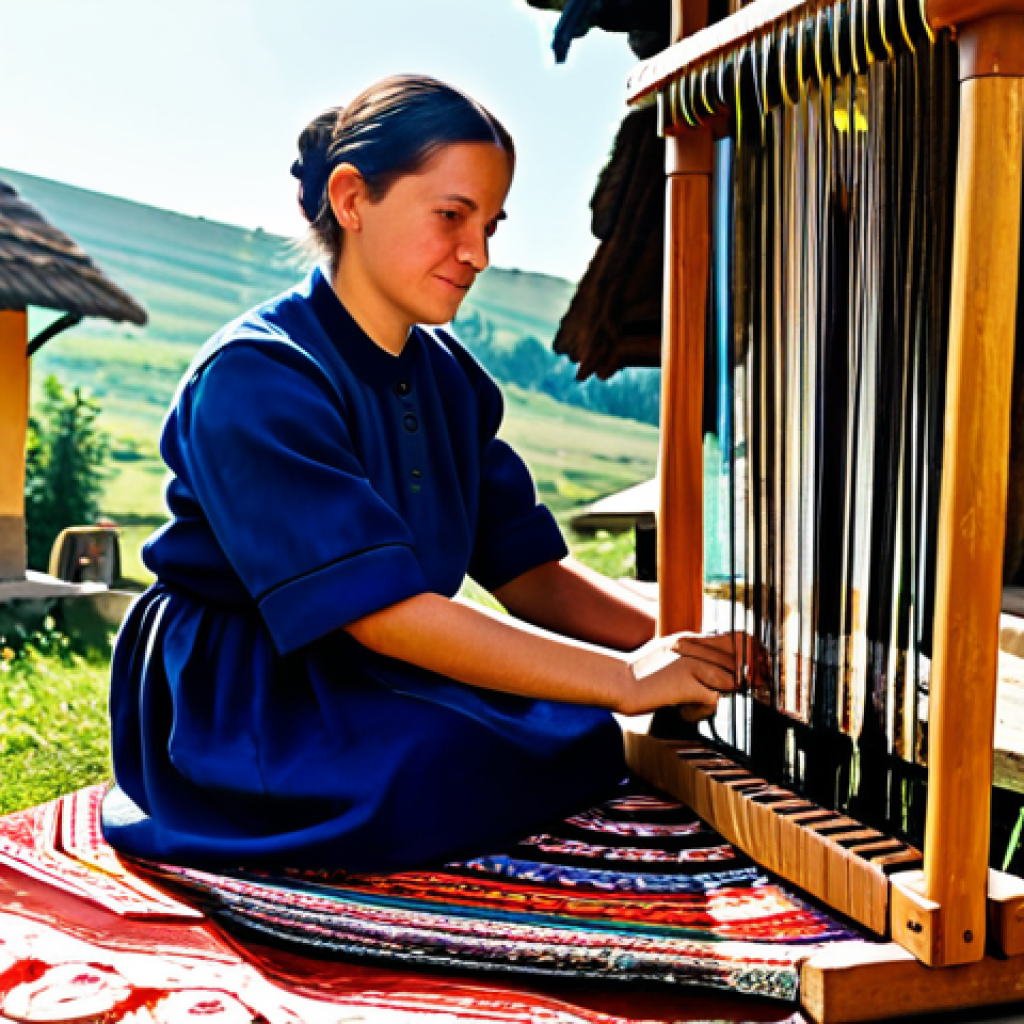
Moldova has a rich tradition of textile art, and handmade rugs and tapestries are definitely a step above your typical tourist trinket. I remember visiting a small village outside of Chisinau and seeing women sitting outside their homes, their hands flying across looms as they created intricate patterns.
These aren’t just decorations; they’re pieces of history, passed down through generations. Seriously, if you want something that screams “Moldova,” this is it.
The Art of “Covor” – Traditional Moldovan Rugs
These rugs, often called “covor,” are a true art form. They are handwoven using wool, and the designs are often symbolic, featuring motifs of nature, family, and fertility.
The colors are typically earthy and warm, reflecting the natural dyes used in the process. You can find covor in various sizes, from small mats to large area rugs, making it easy to find something that fits your suitcase (or shipping needs!).
I once spent a good hour chatting with a weaver about the meaning behind the symbols in her rug – it was fascinating!
Where to Find Authentic Moldovan Textiles
While you might find some mass-produced “rugs” in tourist shops, the real deal is worth seeking out. Head to local markets, like the Central Market in Chisinau, where you’ll find vendors selling handmade textiles.
Also, consider visiting artisan villages or workshops outside the city. This way, you not only get a beautiful souvenir but also support local craftspeople.
Another great option is to check out art galleries; many showcase and sell traditional Moldovan textiles. When I was there, I found a stunning wall hanging at an exhibition and knew I had to have it.
Caring for Your Woven Treasure
Remember that these rugs are handmade, so they require special care. Avoid harsh chemicals and direct sunlight, and consider having them professionally cleaned.
With proper care, your Moldovan rug will last for generations, serving as a constant reminder of your trip. The vibrant colors and intricate patterns will keep the memory alive, trust me.
Sipping on Sunshine: Bringing Home the Taste of Moldovan Wine
Moldova is a wine lover’s paradise. Seriously, they have some incredible wines that you just won’t find anywhere else. The country boasts some of the largest wine cellars in the world, and the passion for winemaking is palpable.
Forget the generic bottles at the airport; seek out something special.
Exploring Moldova’s Unique Grape Varieties
Moldova is home to several indigenous grape varieties, such as Fetească Albă, Fetească Neagră, and Rara Neagră. These grapes produce wines with distinct flavors and aromas that reflect the country’s unique terroir.
If you’re a wine enthusiast, trying these varieties is a must. I remember tasting a Rara Neagră that blew me away with its rich, dark fruit flavors and earthy notes.
Beyond the Bottle: Wine-Related Souvenirs
Of course, a bottle of Moldovan wine is the quintessential souvenir, but why stop there? You can also find beautiful wine glasses, decanters, and other wine-related accessories.
Many wineries offer gift sets that include a bottle of wine, glasses, and a corkscrew, making for a perfect present. During my winery tour, I picked up a hand-painted wine stopper that I absolutely adore.
It’s a small but meaningful reminder of my experience.
Navigating Wine Purchases: Tips and Recommendations
When buying wine in Moldova, be sure to ask for recommendations from locals or wine experts. They can guide you to the best wineries and help you choose a bottle that suits your taste.
Also, keep in mind that some wineries offer international shipping, so you can have your favorite wines delivered right to your doorstep. I made sure to stock up on a few bottles before leaving, and they were a hit at my next dinner party.
Handcrafted Ceramics: Functional Art from the Heart of Moldova
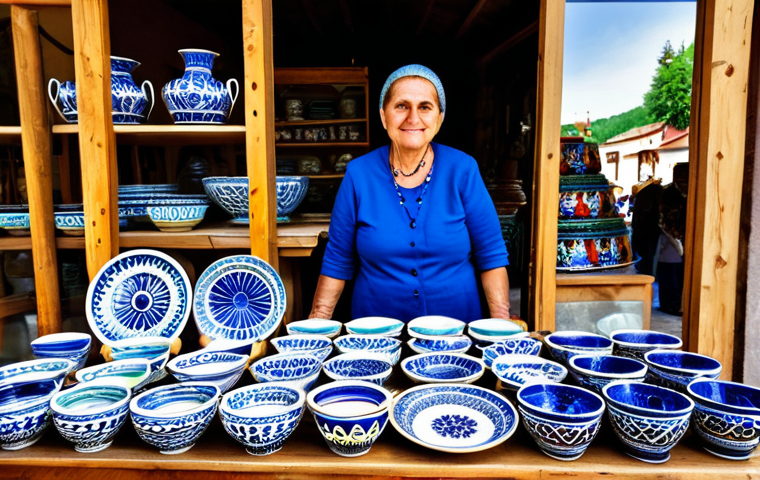
Moldovan ceramics are known for their vibrant colors, intricate designs, and practicality. You’ll find everything from plates and bowls to vases and figurines, all handmade by local artisans.
These pieces aren’t just beautiful; they’re also functional, making them a perfect addition to your home.
The Legacy of Moldovan Pottery
Pottery has a long and rich history in Moldova, dating back to ancient times. Traditional techniques are still used today, with artisans passing down their skills from generation to generation.
The designs often feature motifs inspired by nature, folklore, and religion, reflecting the country’s cultural heritage. It’s amazing to see how these ancient traditions are still alive and thriving.
Shopping for Ceramics: What to Look For
When shopping for Moldovan ceramics, look for pieces that are well-made, with smooth surfaces and vibrant colors. Pay attention to the designs and choose something that resonates with you.
Also, consider the size and shape of the piece, and how it will fit into your home. I always look for unique pieces that tell a story or have a special meaning.
Bringing Ceramics Home: Packing and Care Tips
Ceramics can be fragile, so it’s important to pack them carefully for your trip home. Wrap each piece in bubble wrap or newspaper, and place them in a sturdy box.
If possible, carry them in your carry-on luggage to avoid damage. Once you’re home, handle your ceramics with care and avoid exposing them to extreme temperatures.
When I brought my ceramics back, I was so relieved that they made it in one piece!
Wooden Wonders: Carved Keepsakes with Character
Wood carving is another popular craft in Moldova, with artisans creating everything from small figurines to intricate furniture. These wooden pieces are often adorned with traditional motifs and symbols, making them a unique and meaningful souvenir.
I was particularly drawn to the carved wooden boxes and jewelry, which were both beautiful and practical.
Exploring Different Types of Wood Carvings
Moldovan wood carvers use a variety of techniques, including relief carving, chip carving, and wood turning. Each technique produces a different effect, resulting in a diverse range of styles.
You can find carvings of animals, plants, religious figures, and geometric patterns, each with its own symbolic meaning. The skill and artistry involved in these carvings is truly impressive.
Finding the Perfect Carved Souvenir
When shopping for wooden carvings, look for pieces that are well-crafted and finished. Pay attention to the details and choose something that catches your eye.
Also, consider the size and shape of the piece, and how it will fit into your home. I always look for carvings that are unique and expressive, reflecting the personality of the artisan.
Caring for Your Carved Creations
Wooden carvings require minimal care. Simply dust them regularly with a soft cloth, and avoid exposing them to extreme temperatures or humidity. With proper care, your carved souvenir will last for years, serving as a constant reminder of your trip to Moldova.
The natural beauty of the wood and the intricate carvings will add a touch of warmth and character to your home. Here’s a table summarizing souvenir options, as requested:
| Souvenir Type | Description | Where to Find | Price Range (Approximate) |
|---|---|---|---|
| Traditional Rugs (“Covor”) | Handwoven wool rugs with symbolic designs. | Local markets, artisan villages, art galleries | $50 – $500+ (depending on size and quality) |
| Moldovan Wine | Wines made from indigenous grape varieties like Fetească Albă and Rara Neagră. | Wineries, wine shops, supermarkets | $10 – $100+ (depending on the wine) |
| Handcrafted Ceramics | Plates, bowls, vases, and figurines with vibrant colors and intricate designs. | Local markets, artisan workshops, souvenir shops | $10 – $50+ (depending on size and complexity) |
| Wooden Carvings | Figurines, boxes, jewelry, and furniture adorned with traditional motifs. | Local markets, artisan shops, souvenir stalls | $5 – $100+ (depending on size and detail) |
| Embroidery | Hand-embroidered blouses (“Ie”), towels, and tablecloths with traditional patterns. | Local markets, artisan villages, craft fairs | $20 – $200+ (depending on the item and complexity) |
Capturing Culture: Embroidered Treasures to Take Home
Beyond rugs and ceramics, Moldovan embroidery is an art form worth exploring. You’ll often find it adorning traditional blouses (called “Ie”), towels, and tablecloths.
The patterns are intricate, often featuring floral motifs or geometric designs, and each region has its own unique style.
The Significance of Moldovan Embroidery
Embroidery in Moldova is more than just decoration; it’s a way of preserving cultural heritage. The patterns and colors used in the embroidery often have symbolic meanings, representing elements of nature, family, and spirituality.
Traditionally, young women would embroider their own trousseaus, showcasing their skills and creativity. It’s a craft steeped in history and tradition.
Finding Authentic Embroidered Pieces
To find authentic embroidered pieces, head to local markets or artisan villages. You might even get lucky and find a local woman selling her own handmade creations.
Be sure to inspect the embroidery closely, looking for fine stitching and intricate details. Also, ask about the meaning behind the patterns and colors – you might learn something new!
I remember stumbling upon a small village where the women were renowned for their embroidery, and I was blown away by the quality of their work.
Caring for Your Embroidered Keepsake
Hand-embroidered items require delicate care. Hand wash them in cold water with a mild detergent, and avoid using bleach or harsh chemicals. Hang them to dry, away from direct sunlight, and iron them on a low setting.
With proper care, your embroidered treasure will last for generations, becoming a cherished family heirloom.
Sweet Memories: Indulging in Local Confections
Don’t forget about the edible souvenirs! Moldova has a variety of delicious sweets and treats that are perfect for taking home. From traditional candies to homemade jams, there’s something for everyone.
Sampling Local Delicacies
One of the most popular Moldovan sweets is “Pelamida,” a grape must pudding that’s typically made in the fall. Another must-try is “Nucă umplută,” walnuts stuffed with caramel.
You can also find a variety of homemade jams and preserves, made from local fruits like plums, cherries, and apricots. Trust me, your taste buds will thank you.
Where to Buy Moldovan Sweets
You can find Moldovan sweets in local markets, supermarkets, and specialty food shops. Be sure to check the expiration dates and choose products that are made with high-quality ingredients.
Also, consider buying sweets from local producers, as they often use traditional recipes and techniques. I always make sure to stock up on Pelamida before leaving Moldova – it’s the perfect treat to enjoy with a cup of tea.
Packing and Transporting Edible Souvenirs
When packing edible souvenirs, be sure to wrap them carefully to prevent damage. Use airtight containers or resealable bags to keep them fresh, and avoid exposing them to extreme temperatures.
Also, check the customs regulations of your home country to make sure you’re allowed to bring these items across the border. I once had to leave a jar of homemade jam at the airport because I didn’t realize it was prohibited – learn from my mistake!
The Takeaway
Finding the perfect souvenir is about more than just buying a pretty object; it’s about capturing the essence of your travel experience. Whether it’s a handwoven rug, a bottle of Moldovan wine, or a jar of homemade jam, the best souvenirs are those that evoke memories and tell a story.
So, take your time, explore the local markets and artisan shops, and find something that truly speaks to you. You’ll be glad you did.
Discovering Moldova’s Woven Wonders: More Than Just a Rug
Moldova has a rich tradition of textile art, and handmade rugs and tapestries are definitely a step above your typical tourist trinket. I remember visiting a small village outside of Chisinau and seeing women sitting outside their homes, their hands flying across looms as they created intricate patterns.
These aren’t just decorations; they’re pieces of history, passed down through generations. Seriously, if you want something that screams “Moldova,” this is it.
The Art of “Covor” – Traditional Moldovan Rugs
These rugs, often called “covor,” are a true art form. They are handwoven using wool, and the designs are often symbolic, featuring motifs of nature, family, and fertility.
The colors are typically earthy and warm, reflecting the natural dyes used in the process. You can find covor in various sizes, from small mats to large area rugs, making it easy to find something that fits your suitcase (or shipping needs!).
I once spent a good hour chatting with a weaver about the meaning behind the symbols in her rug – it was fascinating!
Where to Find Authentic Moldovan Textiles
While you might find some mass-produced “rugs” in tourist shops, the real deal is worth seeking out. Head to local markets, like the Central Market in Chisinau, where you’ll find vendors selling handmade textiles.
Also, consider visiting artisan villages or workshops outside the city. This way, you not only get a beautiful souvenir but also support local craftspeople.
Another great option is to check out art galleries; many showcase and sell traditional Moldovan textiles. When I was there, I found a stunning wall hanging at an exhibition and knew I had to have it.
Caring for Your Woven Treasure
Remember that these rugs are handmade, so they require special care. Avoid harsh chemicals and direct sunlight, and consider having them professionally cleaned.
With proper care, your Moldovan rug will last for generations, serving as a constant reminder of your trip. The vibrant colors and intricate patterns will keep the memory alive, trust me.
Sipping on Sunshine: Bringing Home the Taste of Moldovan Wine
Moldova is a wine lover’s paradise. Seriously, they have some incredible wines that you just won’t find anywhere else. The country boasts some of the largest wine cellars in the world, and the passion for winemaking is palpable.
Forget the generic bottles at the airport; seek out something special.
Exploring Moldova’s Unique Grape Varieties
Moldova is home to several indigenous grape varieties, such as Fetească Albă, Fetească Neagră, and Rara Neagră. These grapes produce wines with distinct flavors and aromas that reflect the country’s unique terroir.
If you’re a wine enthusiast, trying these varieties is a must. I remember tasting a Rara Neagră that blew me away with its rich, dark fruit flavors and earthy notes.
Beyond the Bottle: Wine-Related Souvenirs
Of course, a bottle of Moldovan wine is the quintessential souvenir, but why stop there? You can also find beautiful wine glasses, decanters, and other wine-related accessories.
Many wineries offer gift sets that include a bottle of wine, glasses, and a corkscrew, making for a perfect present. During my winery tour, I picked up a hand-painted wine stopper that I absolutely adore.
It’s a small but meaningful reminder of my experience.
Navigating Wine Purchases: Tips and Recommendations
When buying wine in Moldova, be sure to ask for recommendations from locals or wine experts. They can guide you to the best wineries and help you choose a bottle that suits your taste.
Also, keep in mind that some wineries offer international shipping, so you can have your favorite wines delivered right to your doorstep. I made sure to stock up on a few bottles before leaving, and they were a hit at my next dinner party.
Handcrafted Ceramics: Functional Art from the Heart of Moldova
Moldovan ceramics are known for their vibrant colors, intricate designs, and practicality. You’ll find everything from plates and bowls to vases and figurines, all handmade by local artisans.
These pieces aren’t just beautiful; they’re also functional, making them a perfect addition to your home.
The Legacy of Moldovan Pottery
Pottery has a long and rich history in Moldova, dating back to ancient times. Traditional techniques are still used today, with artisans passing down their skills from generation to generation.
The designs often feature motifs inspired by nature, folklore, and religion, reflecting the country’s cultural heritage. It’s amazing to see how these ancient traditions are still alive and thriving.
Shopping for Ceramics: What to Look For
When shopping for Moldovan ceramics, look for pieces that are well-made, with smooth surfaces and vibrant colors. Pay attention to the designs and choose something that resonates with you.
Also, consider the size and shape of the piece, and how it will fit into your home. I always look for unique pieces that tell a story or have a special meaning.
Bringing Ceramics Home: Packing and Care Tips
Ceramics can be fragile, so it’s important to pack them carefully for your trip home. Wrap each piece in bubble wrap or newspaper, and place them in a sturdy box.
If possible, carry them in your carry-on luggage to avoid damage. Once you’re home, handle your ceramics with care and avoid exposing them to extreme temperatures.
When I brought my ceramics back, I was so relieved that they made it in one piece!
Wooden Wonders: Carved Keepsakes with Character
Wood carving is another popular craft in Moldova, with artisans creating everything from small figurines to intricate furniture. These wooden pieces are often adorned with traditional motifs and symbols, making them a unique and meaningful souvenir.
I was particularly drawn to the carved wooden boxes and jewelry, which were both beautiful and practical.
Exploring Different Types of Wood Carvings
Moldovan wood carvers use a variety of techniques, including relief carving, chip carving, and wood turning. Each technique produces a different effect, resulting in a diverse range of styles.
You can find carvings of animals, plants, religious figures, and geometric patterns, each with its own symbolic meaning. The skill and artistry involved in these carvings is truly impressive.
Finding the Perfect Carved Souvenir
When shopping for wooden carvings, look for pieces that are well-crafted and finished. Pay attention to the details and choose something that catches your eye.
Also, consider the size and shape of the piece, and how it will fit into your home. I always look for carvings that are unique and expressive, reflecting the personality of the artisan.
Caring for Your Carved Creations
Wooden carvings require minimal care. Simply dust them regularly with a soft cloth, and avoid exposing them to extreme temperatures or humidity. With proper care, your carved souvenir will last for years, serving as a constant reminder of your trip to Moldova.
The natural beauty of the wood and the intricate carvings will add a touch of warmth and character to your home. Here’s a table summarizing souvenir options, as requested:
| Souvenir Type | Description | Where to Find | Price Range (Approximate) |
|---|---|---|---|
| Traditional Rugs (“Covor”) | Handwoven wool rugs with symbolic designs. | Local markets, artisan villages, art galleries | $50 – $500+ (depending on size and quality) |
| Moldovan Wine | Wines made from indigenous grape varieties like Fetească Albă and Rara Neagră. | Wineries, wine shops, supermarkets | $10 – $100+ (depending on the wine) |
| Handcrafted Ceramics | Plates, bowls, vases, and figurines with vibrant colors and intricate designs. | Local markets, artisan workshops, souvenir shops | $10 – $50+ (depending on size and complexity) |
| Wooden Carvings | Figurines, boxes, jewelry, and furniture adorned with traditional motifs. | Local markets, artisan shops, souvenir stalls | $5 – $100+ (depending on size and detail) |
| Embroidery | Hand-embroidered blouses (“Ie”), towels, and tablecloths with traditional patterns. | Local markets, artisan villages, craft fairs | $20 – $200+ (depending on the item and complexity) |
Capturing Culture: Embroidered Treasures to Take Home
Beyond rugs and ceramics, Moldovan embroidery is an art form worth exploring. You’ll often find it adorning traditional blouses (called “Ie”), towels, and tablecloths.
The patterns are intricate, often featuring floral motifs or geometric designs, and each region has its own unique style.
The Significance of Moldovan Embroidery
Embroidery in Moldova is more than just decoration; it’s a way of preserving cultural heritage. The patterns and colors used in the embroidery often have symbolic meanings, representing elements of nature, family, and spirituality.
Traditionally, young women would embroider their own trousseaus, showcasing their skills and creativity. It’s a craft steeped in history and tradition.
Finding Authentic Embroidered Pieces
To find authentic embroidered pieces, head to local markets or artisan villages. You might even get lucky and find a local woman selling her own handmade creations.
Be sure to inspect the embroidery closely, looking for fine stitching and intricate details. Also, ask about the meaning behind the patterns and colors – you might learn something new!
I remember stumbling upon a small village where the women were renowned for their embroidery, and I was blown away by the quality of their work.
Caring for Your Embroidered Keepsake
Hand-embroidered items require delicate care. Hand wash them in cold water with a mild detergent, and avoid using bleach or harsh chemicals. Hang them to dry, away from direct sunlight, and iron them on a low setting.
With proper care, your embroidered treasure will last for generations, becoming a cherished family heirloom.
Sweet Memories: Indulging in Local Confections
Don’t forget about the edible souvenirs! Moldova has a variety of delicious sweets and treats that are perfect for taking home. From traditional candies to homemade jams, there’s something for everyone.
Sampling Local Delicacies
One of the most popular Moldovan sweets is “Pelamida,” a grape must pudding that’s typically made in the fall. Another must-try is “Nucă umplută,” walnuts stuffed with caramel.
You can also find a variety of homemade jams and preserves, made from local fruits like plums, cherries, and apricots. Trust me, your taste buds will thank you.
Where to Buy Moldovan Sweets
You can find Moldovan sweets in local markets, supermarkets, and specialty food shops. Be sure to check the expiration dates and choose products that are made with high-quality ingredients.
Also, consider buying sweets from local producers, as they often use traditional recipes and techniques. I always make sure to stock up on Pelamida before leaving Moldova – it’s the perfect treat to enjoy with a cup of tea.
Packing and Transporting Edible Souvenirs
When packing edible souvenirs, be sure to wrap them carefully to prevent damage. Use airtight containers or resealable bags to keep them fresh, and avoid exposing them to extreme temperatures.
Also, check the customs regulations of your home country to make sure you’re allowed to bring these items across the border. I once had to leave a jar of homemade jam at the airport because I didn’t realize it was prohibited – learn from my mistake!
The Takeaway
Finding the perfect souvenir is about more than just buying a pretty object; it’s about capturing the essence of your travel experience. Whether it’s a handwoven rug, a bottle of Moldovan wine, or a jar of homemade jam, the best souvenirs are those that evoke memories and tell a story.
So, take your time, explore the local markets and artisan shops, and find something that truly speaks to you. You’ll be glad you did.
In Conclusion
So, as you plan your trip to Moldova, remember that the best souvenirs are often the ones that tell a story. They’re a tangible reminder of your adventures and the people you met along the way.
Don’t just settle for mass-produced trinkets; seek out the authentic crafts and local delicacies that truly capture the spirit of Moldova. Happy travels and happy souvenir hunting!
And hey, if you find an amazing covor, send me a picture!
Safe travels and happy shopping!
Good to Know Information
1. Currency: The local currency in Moldova is the Moldovan Leu (MDL). It’s a good idea to have some local currency on hand for smaller purchases and local markets, though credit cards are accepted in many establishments.
2. Tipping: While not always mandatory, tipping is appreciated for good service in restaurants, cafes, and taxis. A general rule of thumb is to tip around 10%.
3. Bargaining: Bargaining is acceptable in local markets, especially when purchasing souvenirs or handicrafts. Do so respectfully and with a smile.
4. Language: The official language is Romanian, but Russian is also widely spoken. Learning a few basic Romanian phrases will be appreciated, but English is spoken in tourist areas.
5. Transportation: Chisinau International Airport (KIV) is the main airport. Within cities, you can use buses, taxis, or ride-sharing apps like Uber (if available). For travel between cities, consider buses or trains.
Key Takeaways
- Moldova offers a diverse range of souvenirs, from textiles and wine to ceramics and wood carvings.
- Seek out authentic items from local markets and artisan workshops.
- Consider the practicalities of packing and caring for your souvenirs.
- Souvenirs are more than just objects; they’re reminders of your travel experience.
Frequently Asked Questions (FAQ) 📖
Q: What kind of souvenirs are considered more authentic and unique from Moldova, rather than typical tourist trinkets?
A: Forget the generic fridge magnets! Look for hand-woven carpets (they’re stunning!), traditional ceramics (especially from the village of Hoginesti), or a bottle of quality Moldovan wine or divin (brandy).
Those are all great options! For something smaller, consider a hand-painted wooden spoon or a piece of embroidery featuring traditional motifs. These all showcase Moldova’s rich cultural heritage and craftsmanship.
Q: Where are the best places to find authentic, locally made souvenirs in Moldova?
A: Definitely hit the local markets! The Central Market in Chisinau is a vibrant, bustling place where you can find a huge variety of goods, but be prepared to haggle a bit.
For more curated artisan products, check out the smaller shops and galleries in the city center, or venture out to the villages known for their crafts, like Hoginesti for ceramics.
Don’t be afraid to ask locals for recommendations – they’ll know the best spots!
Q: How much should I expect to pay for a good quality souvenir in Moldova, and what’s the local currency?
A: The local currency is the Moldovan Leu (MDL). Prices can vary widely depending on what you’re buying and where you’re buying it. Hand-woven carpets and high-quality wines will be more expensive, while smaller items like painted spoons will be quite affordable.
In general, Moldova is a relatively inexpensive country, so you can often find unique, well-made souvenirs without breaking the bank. Just remember to factor in some extra cash for bargaining in the markets!
📚 References
Wikipedia Encyclopedia
구글 검색 결과
구글 검색 결과
구글 검색 결과
구글 검색 결과
구글 검색 결과