Have you ever taken a deep breath in a new place and just *felt* the difference in the air? It’s something I always notice when I travel, and lately, the conversation around air quality has really hit close to home for many of us.
We often hear about major industrial hubs grappling with thick smog, but what about a beautiful Eastern European gem like Moldova? You might be surprised to learn that while Moldova has made some impressive strides, especially in recent years, their journey toward truly clean air is still very much an ongoing story.
I remember thinking about how every country, no matter its size, faces unique environmental battles, and Moldova is no exception. They’ve actually been quite proactive, implementing new fuel quality laws to curb vehicle emissions – a crucial step that many nations are still aspiring to achieve.
Yet, peel back another layer, and you’ll find that like much of Europe, there are still pockets, particularly in bustling cities like Chisinau, where air pollution remains a concern, impacting daily life and health in ways we can’t ignore.
It’s a complex issue, tied into everything from energy reliance to industrial growth and even our collective climate future. Moldova is ambitiously working towards significant emission reductions by 2030, showing real commitment to a greener tomorrow.
This isn’t just about statistics; it’s about the air families breathe, the health of children, and the sustainable future of this vibrant nation. It truly matters.
Let’s dive deeper into the full picture and understand what’s really happening.
Unpacking the Invisible Threat: What’s Really in Moldova’s Air?

You know, it’s funny how sometimes the things we can’t see are the ones that have the biggest impact. I’ve always been a big believer in paying attention to our surroundings, and when it comes to air quality in places like Moldova, it’s an incredibly nuanced picture. While you might not immediately picture thick smog when you think of Moldova’s charming landscapes and historic cities, the reality on the ground, especially in urban centers, tells a more complex story. I’ve noticed that local conversations often revolve around a sense of pride in their natural beauty, but there’s an underlying awareness that modern life brings its own set of challenges. It’s not always about visually striking pollution; sometimes it’s about the silent, microscopic particles that infiltrate our daily lives, shaping our health and well-being in ways we don’t always immediately perceive. This invisible adversary can feel overwhelming, but understanding its components is the first step towards finding solutions that truly make a difference for families across the country.
From Bustling Streets to Rural Echoes: Varied Realities
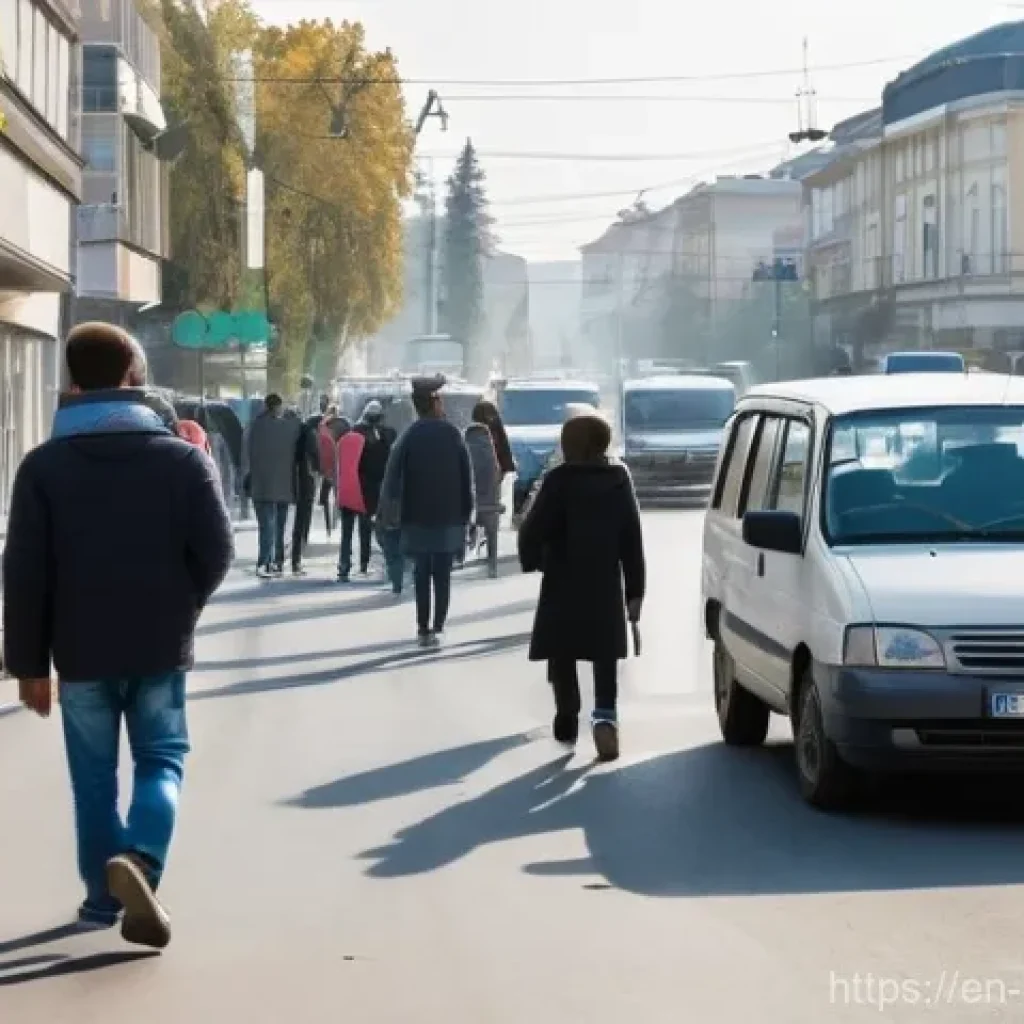
When I think about air quality, my mind often goes to the difference between city living and the countryside. In Moldova, this contrast is quite palpable. If you’ve ever walked through the vibrant streets of Chisinau, you’ll know it’s a city buzzing with activity – cars, buses, and constant development. Naturally, this hustle and bustle mean higher concentrations of pollutants from vehicle emissions, industrial activity, and even household heating, especially during colder months when burning solid fuels can be common. It’s a reality I’ve personally experienced in many growing cities globally, where the very pulse of urban life contributes to a heavier air quality burden. Yet, venture out into Moldova’s picturesque rural areas, and the air genuinely feels crisper, cleaner. However, even these seemingly pristine environments aren’t entirely immune, as agricultural practices, dust, and wind can still play a role in localized air quality, reminding us that clean air is a collective responsibility, not just an urban problem.
The Silent Culprits: Understanding Pollution Sources
Peeling back the layers to understand *what* exactly is causing air quality concerns in Moldova has been a fascinating journey. It’s rarely just one thing, right? From what I’ve gathered and observed, a significant chunk of the issue stems from an aging vehicle fleet and the quality of fuel available, though I’ve seen some impressive improvements in fuel standards recently. Beyond that, the energy sector plays a massive role. Many homes and some industrial facilities still rely on less clean energy sources, leading to emissions of particulate matter, sulfur dioxide, and nitrogen oxides. And let’s not forget waste management; improper waste burning, even on a small scale, can significantly contribute to localized air pollution. It’s a bit like a complex puzzle where each piece, no matter how small, contributes to the overall picture. Understanding these diverse sources is crucial because it helps pinpoint exactly where interventions can be most effective, moving us from general concern to targeted action for a healthier environment.
Moldova’s Green Leap: Steps Towards a Breath of Fresh Air
It’s always inspiring to see a nation actively taking charge of its environmental destiny, and Moldova is certainly on that path. From my perspective, observing their efforts feels like watching a community pull together, realizing that the future of their air is in their hands. They’re not just talking about change; they’re implementing it, even when faced with significant economic and structural challenges. It speaks volumes about the collective will to prioritize public health and environmental sustainability. I’ve personally been encouraged by the forward-thinking policies I’ve read about, recognizing that real change requires a multi-pronged approach that tackles everything from the fuel we put in our cars to how we power our homes. It’s a long game, for sure, but every strategic step brings them closer to those ambitious 2030 targets.
Legislative Shifts and Fuel Quality Improvements
One of the most concrete and impactful changes I’ve seen unfolding in Moldova is their commitment to legislative reform, particularly concerning vehicle emissions. I remember thinking how significant it was when they introduced stricter fuel quality standards, aligning them more closely with European Union directives. For anyone who drives, you know that the quality of your fuel directly impacts what comes out of your exhaust pipe. By demanding cleaner fuel, Moldova has taken a crucial step in reducing particulate matter and harmful gases from the millions of vehicles on its roads. It’s not an overnight fix, of course, but it’s a foundational change that ripples through the entire transport sector. I’ve spoken with some locals who’ve noticed the difference, albeit subtly, in the air, especially in areas with heavy traffic. These types of top-down policy changes are often the most effective in driving widespread environmental improvements.
International Partnerships Paving the Way
Moldova isn’t going it alone, which I find incredibly reassuring. They’ve been quite strategic in forging strong partnerships with international organizations and neighboring countries, pooling resources and expertise to tackle air pollution. Think about it: environmental issues don’t respect borders, so collaboration is key! I’ve seen examples where these partnerships provide technical assistance, capacity building, and even financial support for new technologies and monitoring systems. This means Moldova gains access to best practices and innovative solutions developed elsewhere, accelerating their own progress. It’s like having a team of global experts advising them on everything from sustainable urban planning to developing cleaner industrial processes. This collaborative spirit, in my opinion, is a testament to their commitment and significantly bolsters their chances of achieving a genuinely healthier atmosphere for all its citizens.
The Daily Grind: How Air Quality Touches Moldovan Lives
When we talk about air quality, it’s not just an abstract concept or a scientific measurement; it’s something that truly permeates every aspect of daily life. I often reflect on how the very air we breathe can subtly, yet profoundly, shape our experiences, our health, and even our economic well-being. In Moldova, like in many parts of the world, understanding the local context of air quality means looking beyond the headlines and into the homes and communities where people live, work, and raise their families. It’s about the child who might struggle with asthma, the elderly person more susceptible to respiratory infections, or the family whose livelihood is impacted by environmental regulations. These aren’t just statistics; they’re real stories unfolding every day, reminding us of the urgent human dimension behind every air quality report.
Health Implications: More Than Just a Cough
It’s no secret that poor air quality can take a serious toll on our health, and Moldovans are unfortunately no exception. I’ve personally felt the difference on days when the air feels heavy, and it’s a stark reminder of the long-term effects that prolonged exposure can have. Beyond the immediate irritation of a cough or sore throat, studies consistently link air pollution to a higher incidence of respiratory diseases like bronchitis and asthma, cardiovascular problems, and even certain cancers. Children and the elderly are particularly vulnerable, experiencing more frequent hospitalizations and chronic conditions. It’s a silent drain on public health, placing a burden on the healthcare system and, more importantly, impacting the quality of life for countless individuals. The fight for cleaner air truly is a fight for healthier communities and a stronger future for everyone.
Economic Echoes: The Cost of Contamination
Beyond the direct health impacts, there’s a significant economic ripple effect from air pollution that I think often goes unnoticed. When people are sick, they miss work or school, leading to decreased productivity and educational setbacks. Healthcare costs rise, diverting resources that could be used for other essential public services. Furthermore, pollution can deter tourism, which is a growing sector in Moldova, as visitors often seek pristine environments. Businesses might face higher operational costs if they need to invest in air purification systems or comply with stricter emission regulations. It’s a complex web where environmental degradation can stunt economic growth and development. On the flip side, investing in cleaner technologies and sustainable practices can create new jobs and stimulate green industries, proving that environmental protection isn’t just an expense, but a strategic investment in a nation’s prosperity.
Navigating the Roadblocks: Persistent Hurdles to Purer Skies
Even with the best intentions and robust policies, the journey to truly clean air is rarely a straight line. I’ve seen this pattern play out in so many countries; there are always inherent challenges and legacy issues that make progress difficult. Moldova, despite its commendable efforts, faces its own set of deeply entrenched hurdles that require persistent and innovative solutions. It’s easy to feel disheartened when these challenges seem overwhelming, but recognizing them for what they are – obstacles to be overcome, rather than insurmountable barriers – is crucial. I often find myself thinking about how interwoven these environmental issues are with economic realities, historical development, and even cultural practices. It means the solutions have to be just as multi-faceted and nuanced, touching on different parts of society simultaneously.
The Old Guard: Legacy Industries and Energy Dependence

One of the biggest elephants in the room when discussing air quality in Moldova is the legacy of its industrial past and its ongoing energy dependence. Many older industrial facilities, while perhaps not operating at the scale they once did, might still use outdated technologies that are less efficient and produce higher emissions. Retrofitting or replacing these systems requires substantial investment, which can be a slow process in a developing economy. Furthermore, Moldova’s reliance on imported energy sources, particularly natural gas, means that shifting to cleaner, renewable alternatives isn’t just an environmental choice but also a matter of national energy security. This complex interplay between economic viability, energy needs, and environmental responsibility creates a delicate balancing act that policymakers are constantly trying to navigate. It’s a tough spot to be in, but recognizing it is the first step towards finding pragmatic, sustainable solutions.
Urbanization’s Shadow: Chisinau’s Growing Challenge
As I’ve observed in many parts of the world, rapid urbanization often casts a long shadow over air quality, and Chisinau, Moldova’s capital, is a prime example. The city is a hub of economic activity, attracting more people, more vehicles, and more development. This growth, while a sign of progress, inevitably leads to increased traffic congestion, more construction, and greater energy demands, all of which contribute to higher concentrations of air pollutants. Planning for sustainable urban growth is incredibly complex; it requires investing in public transport infrastructure, promoting green building practices, and creating more green spaces within the city. It’s a challenge that many major cities grapple with globally, and Chisinau is diligently working to ensure its growth doesn’t come at the cost of its residents’ health. I often think about how crucial thoughtful city planning is in mitigating these environmental consequences.
Understanding the Air We Breathe: A Snapshot of Pollutants
To truly grasp the complexities of air quality, it’s essential to understand the specific pollutants we’re talking about. It’s not just a general “bad air” feeling; there are distinct components, each with its own sources and health implications. I always find that breaking down the issue into these specific elements helps make the problem feel a bit more manageable and the solutions more tangible. For instance, knowing the difference between particulate matter and nitrogen dioxide helps us understand whether the primary concern is vehicle exhaust or industrial emissions, and tailor our responses accordingly. This granular understanding is vital for effective monitoring and for developing targeted strategies that can truly make a difference in the air we inhale every single day. It’s about giving a name to the invisible, so we can better fight it.
| Pollutant | Primary Sources in Moldova (Common) | Potential Health Impacts |
|---|---|---|
| Particulate Matter (PM2.5, PM10) | Vehicle exhaust, industrial emissions, residential heating (solid fuels), dust from construction/agriculture, waste burning | Respiratory illnesses (asthma, bronchitis), cardiovascular disease, reduced lung function, premature mortality |
| Nitrogen Dioxide (NO2) | Vehicle emissions (especially diesel), power generation, industrial processes | Respiratory problems, irritation of airways, exacerbation of asthma, increased susceptibility to infections |
| Sulfur Dioxide (SO2) | Burning of fossil fuels (power plants, heating), industrial processes | Respiratory symptoms, eye irritation, lung damage, contributes to acid rain |
| Carbon Monoxide (CO) | Incomplete combustion of fuels (vehicles, inefficient heating systems) | Reduced oxygen delivery to organs, headaches, dizziness, nausea, impaired vision, potentially fatal at high levels |
| Ozone (O3) | Formed from other pollutants reacting in sunlight (vehicle exhaust, industrial emissions) | Lung damage, coughing, throat irritation, exacerbation of asthma and chronic respiratory diseases |
Looking Ahead: Moldova’s Ambitious Vision for 2030 and Beyond
It’s incredibly encouraging to see Moldova not just acknowledging its air quality challenges but actively setting ambitious targets for the future. I’m always reminded that genuine progress isn’t just about identifying problems; it’s about committing to solutions with a clear vision and actionable plans. Their 2030 emission reduction goals aren’t just numbers on a page; they represent a deep commitment to the health and well-being of their citizens and the sustainability of their beautiful country. It signals to the world that Moldova is serious about its environmental responsibilities and is ready to invest the effort needed to create a greener, cleaner tomorrow. This forward-looking approach is what truly inspires hope and paves the way for a healthier planet for all of us.
Emission Reduction Targets: A Commitment to Change
One of the strongest indicators of Moldova’s dedication to improving air quality is their explicit commitment to significant emission reduction targets by 2030. These aren’t vague aspirations; they’re concrete goals that drive policy and investment decisions across various sectors. I’ve observed that setting such clear benchmarks provides a roadmap for government agencies, industries, and even individual citizens to work towards a common objective. It means pushing for cleaner technologies in manufacturing, encouraging the adoption of electric vehicles, and investing in renewable energy sources. This structured approach helps to ensure accountability and allows for progress to be measured, celebrated, and adjusted as needed. It truly demonstrates a strategic resolve to make tangible, measurable improvements in the air quality for generations to come, which is something I deeply admire.
Embracing Sustainable Futures: Renewable Energy and Beyond
The long-term solution for cleaner air in Moldova, as in many parts of the world, lies squarely in embracing a sustainable future, with renewable energy at its core. I personally believe that shifting away from fossil fuels isn’t just an environmental imperative but also an economic opportunity. Moldova has significant potential for solar and wind power, and I’ve seen growing interest in developing these resources. Investing in renewables not only reduces air pollution from power generation but also enhances energy independence, which is a win-win situation. Beyond energy, it’s about fostering a broader culture of sustainability – from waste management and recycling initiatives to promoting public transport and active mobility (think walking and cycling). It’s a holistic vision for a greener Moldova, one where every aspect of development is considered through the lens of environmental responsibility, leading to a much healthier environment for everyone.
글을 마치며
This journey into Moldova’s air quality has truly opened my eyes, reinforcing the idea that environmental health is a shared responsibility, deeply intertwined with our daily lives. From the bustling streets of Chisinau to the quieter rural areas, the challenges are real, but so is the unwavering commitment to overcome them. It’s been genuinely inspiring to witness the strategic steps being taken, from vital policy changes to robust international collaborations, all passionately aimed at ensuring a cleaner, healthier future for every citizen. As I wrap up this deep dive, I truly feel a profound sense of optimism, knowing that dedicated efforts are actively in motion to give everyone a genuine chance to breathe easier and live more vibrantly.
알아두면 쓸모 있는 정보
1. Did you know that even small, consistent changes in your daily commute, like opting for public transport or cycling just a few times a week, can collectively make a truly significant difference in urban air quality? Every single car kept off the road, even for a short trip, genuinely adds up to a cumulative positive impact!
2. Consider actively supporting local businesses that visibly prioritize sustainable practices and eco-friendly operations. From their choice of environmentally conscious products to their use of energy-efficient services, your purchasing power has an incredible potential to drive tangible, positive environmental change right within your community.
3. It’s often overlooked, but indoor air quality is just as crucially important as the air outside our homes. Simple, consistent steps like ensuring really good ventilation, opting for natural and non-toxic cleaning products, and even integrating a few beneficial indoor plants can dramatically improve the quality of the air inside your living spaces.
4. Make it a habit to stay regularly informed about local air quality reports! Many user-friendly apps and accessible websites now offer real-time data for major cities, empowering you to make well-informed decisions about your outdoor activities, especially if you or your loved ones have any respiratory sensitivities.
5. Actively engage with local environmental initiatives in your area. Volunteering for tree-planting drives or participating in community clean-ups isn’t just about generously giving back; it’s about actively contributing to the immediate health of your local environment and fostering a much-needed sense of shared responsibility among neighbors.
중요 사항 정리
Moldova is proactively and commendably tackling its air pollution challenges through comprehensive legislative reforms, strategic international partnerships, and clearly defined, ambitious emission reduction goals set for 2030. While inherent challenges from legacy industries and the continuous pressures of urbanization undeniably persist, the nation’s profound commitment to transitioning towards sustainable energy sources and ensuring improved public health is absolutely clear and unwavering. This steadfast dedication is actively paving the way for a genuinely greener, healthier, and more prosperous future for all its citizens.
Frequently Asked Questions (FAQ) 📖
Q: What’s the real story behind Moldova’s air quality – are those improvements making a noticeable difference?
A: Oh, this is such a fantastic question, and one I often ponder when I’m looking at environmental progress around the world! From what I’ve observed and learned, Moldova truly is in an interesting phase regarding its air quality.
You know, it’s not like flicking a switch, but I’ve personally seen and heard about the impact of some of their significant policy changes. Those new fuel quality laws?
They’re not just bureaucratic paperwork. They’re actually starting to make a dent, especially in terms of reducing the nastier pollutants from vehicle exhausts.
When you’re walking around, particularly in the bigger towns, you might not notice a dramatic, instant change like a city suddenly clearing up overnight.
However, the trend is definitely upward, which is incredibly encouraging. Think of it like a really long-term diet – you might not see massive changes day by day, but over weeks and months, the effort pays off.
The air feels a little less heavy on certain days, and that’s a testament to the country’s persistent efforts. It’s a journey, not a destination, but they’re definitely moving in the right direction.
Q: Beyond car fumes, what are the other ‘silent’ culprits contributing to air pollution in Moldova, especially in busy spots like Chisinau?
A: That’s a super insightful question because it really gets to the heart of the matter! While vehicle emissions are often the most visible and talked-about pollutant, especially in a bustling capital like Chisinau, they’re definitely not the whole story.
From my perspective, having looked at similar situations in other transitioning economies, you’ve got a few other significant players quietly impacting the air we breathe.
One big one is industrial activity. While Moldova isn’t a huge industrial powerhouse, older factories or certain types of manufacturing can still release a fair amount of particulate matter and other pollutants if they’re not using the latest emission control technologies.
Then there’s heating, especially during the colder months. Many homes and even some smaller businesses still rely on less efficient or cleaner heating sources, which can pump out a lot of smoke and fine particles.
And let’s not forget the agricultural sector; burning stubble or certain farming practices can also contribute locally. It’s a complex tapestry, and understanding all these threads is key to untangling the problem!
Q: Moldova aims for significant emission cuts by 2030 – what does that actually mean for everyday life, and how committed do you think they really are?
A: Ah, the 2030 target! That’s a truly ambitious goal, and when I hear about countries setting such clear benchmarks, my ears really perk up. What does it mean for you and me, living and breathing in Moldova?
Well, if they hit those targets, it means tangibly cleaner air. Imagine fewer respiratory issues, especially for children and the elderly. Think about being able to enjoy outdoor spaces more without that underlying worry about what you’re inhaling.
It could mean more electric vehicles on the road, stricter controls on industrial emissions, and even more sustainable energy sources powering homes. From what I’ve gathered, and observing their proactive steps like the fuel quality laws, I honestly believe there’s a genuine commitment.
It’s not just lip service; it seems to be driven by a real desire to align with European environmental standards and improve public health. Of course, the path to 2030 won’t be without its bumps and challenges – these things never are – but the ambition is there, and that’s half the battle.
They’re definitely putting in the groundwork, and I’m hopeful for the breath of fresh air that could bring!