Pet ownership in Moldova offers a unique glimpse into a culture where animals are cherished companions and often integral to family life. From lively street scenes with friendly dogs to the growing popularity of cats in urban homes, Moldovans show a heartfelt connection to their pets.

Traditional values blend with modern pet care trends, reflecting a society in transition yet deeply caring. Whether it’s the local markets buzzing with pet supplies or community events celebrating animals, the pet culture here is both vibrant and evolving.
Let’s dive into the fascinating world of Moldovan pets and discover what makes their bond with animals so special!
Everyday Life with Pets in Moldovan Homes
Dogs as Loyal Neighborhood Friends
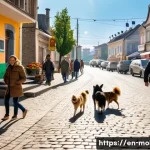
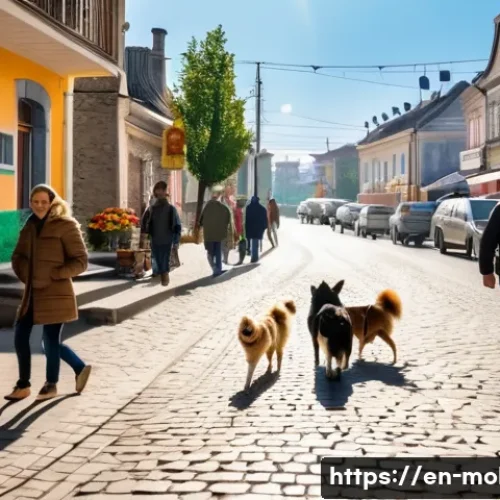
Many Moldovan neighborhoods are alive with the presence of dogs, often seen trotting alongside their owners or lounging in the sun near local shops. Unlike in some Western cities where dogs might be kept strictly indoors, in Moldova, they enjoy a semi-outdoor lifestyle, blending into the fabric of daily life.
I remember walking through a small town where almost every doorstep had a friendly dog greeting visitors with wagging tails. This close interaction between dogs and community members fosters a sense of safety and warmth.
Owners often treat these dogs like family members, sharing meals and even inviting them inside during colder months.
The Rise of Cats in Urban Apartments
In recent years, cats have become increasingly popular in urban Moldovan households. With more people living in apartments, cats offer a perfect balance of companionship and low-maintenance care.
I’ve noticed that local pet stores in Chisinau now stock a wide range of cat food, toys, and accessories, reflecting this trend. Cats here are often pampered with cozy beds and playful spaces designed by owners who clearly adore their feline friends.
Unlike the traditional image of cats as independent animals, Moldovan cat owners tend to form deep emotional bonds, often sharing their lives and routines with their pets.
Pet-Friendly Spaces and Social Spots
A unique aspect of pet ownership in Moldova is how public spaces accommodate animals. Parks and open-air markets frequently welcome dogs and cats, creating a lively atmosphere where pet owners meet and exchange tips.
I once visited a weekend market where a small section was dedicated to pet products, from handmade collars to organic treats. These social interactions help build a supportive community around pet care, with local events sometimes featuring pet competitions or health check-ups provided by volunteer veterinarians.
This blending of pet culture with social life highlights the importance Moldovans place on animals as companions.
Traditional Values and Modern Pet Care
Generational Views on Animal Companionship
In Moldova, older generations often view animals as protectors or working partners, especially in rural areas where dogs guard livestock and cats control pests.
This practical perspective coexists with newer ideas about pets as emotional companions. I’ve spoken to families where grandparents still expect dogs to “earn their keep,” while younger members insist on treating pets with the same care as children.
This intergenerational dynamic creates a rich cultural tapestry where respect for tradition blends with evolving attitudes toward animal welfare.
Access to Veterinary Services and Products
The veterinary landscape in Moldova has improved significantly over the past decade. Urban centers now boast clinics offering vaccinations, spaying/neutering, and emergency care, while rural areas still face challenges in accessing professional services.
I once accompanied a friend to a vet in a small town and was impressed by how compassionate and knowledgeable the staff were, despite limited resources.
Pet owners here often rely on local advice and homemade remedies, but the growing availability of modern products and medications is gradually transforming pet healthcare.
Adoption and Rescue Initiatives
Animal rescue organizations are gaining traction in Moldova, reflecting a growing awareness of animal rights. Shelters and NGOs work tirelessly to find homes for abandoned pets, and community volunteers organize adoption events that attract many hopeful families.
I’ve attended a few of these events, where the atmosphere was heartwarming, filled with stories of second chances and new beginnings. These efforts also include public education campaigns emphasizing responsible pet ownership, such as the importance of sterilization and proper nutrition.
Popular Pet Breeds and Their Characteristics
Common Dog Breeds in Moldova
Moldovan dog owners tend to favor breeds that fit both urban and rural lifestyles. Shepherd dogs, like the Carpathian Shepherd, are prized for their protective instincts and loyalty, especially in farming communities.
In cities, smaller breeds such as the Chihuahua or the Pomeranian are popular for apartment living due to their manageable size and friendly nature. I’ve noticed many mixed-breed dogs too, often rescued or adopted, who bring their own unique charm and resilience to their families.
Cat Breeds and Preferences
While many Moldovan cat owners adopt mixed breeds, certain pedigreed cats like the British Shorthair and Maine Coon have gained popularity among enthusiasts.
These breeds are admired for their distinctive looks and temperament. I recall visiting a cat show in Chisinau where owners proudly showcased their well-groomed cats, sharing tips on grooming and health.
The growing interest in specific breeds reflects a shift toward more specialized pet care and a desire to celebrate the diversity of feline companions.
Exotic and Small Pets
Aside from dogs and cats, some Moldovans keep smaller or exotic pets such as rabbits, hamsters, and even parrots. These animals are often chosen by families with children or by people living in limited spaces.
I’ve met several families who enjoy the playful antics of their guinea pigs or the colorful presence of pet birds. Small pets require different care routines, and local pet shops have started catering to these needs with specialized food and habitat accessories, signaling a diversification in the Moldovan pet market.
Economic Impact of Pet Ownership
Pet-Related Spending Trends
Pet ownership in Moldova contributes significantly to local economies, especially through spending on food, healthcare, and accessories. Urban residents tend to invest more in premium products and veterinary services, while rural owners often prioritize basic needs.
From my conversations with shopkeepers, it’s clear that the pet market is expanding steadily, with new stores opening and existing ones diversifying their inventory.
The willingness of Moldovans to spend on pets reflects their emotional investment and the rising standard of living.
Employment Opportunities in the Pet Industry
The growth of the pet care sector has created new jobs, from veterinary professionals to pet groomers and trainers. I’ve met several young entrepreneurs who started pet-sitting or dog-walking services, capitalizing on the increasing demand.
This trend not only supports the local economy but also encourages better care standards for pets. Training schools and certification programs are gradually emerging, professionalizing the industry and providing career paths for animal lovers.

Challenges and Opportunities for Growth
Despite positive trends, the pet industry in Moldova faces challenges such as limited access to advanced veterinary technologies and inconsistent regulation.
However, these gaps also present opportunities for innovation and investment. I believe that with increased public awareness and support from both government and private sectors, the pet care market could thrive further.
The enthusiasm of Moldovans for their pets provides a strong foundation for sustainable growth.
Community Engagement and Pet Welfare
Local Pet Events and Festivals
Community events celebrating pets have become an integral part of Moldovan culture. Annual festivals, dog shows, and cat exhibitions draw large crowds and offer a chance for owners to showcase their pets.
I attended a spring festival where families gathered with their pets to enjoy games, contests, and educational workshops. These events foster a sense of belonging and raise awareness about animal welfare, encouraging responsible ownership through fun and interactive experiences.
Volunteerism and Animal Rescue Networks
Volunteer groups play a crucial role in supporting animal welfare in Moldova. From organizing street feeding programs for stray animals to running shelters, volunteers demonstrate incredible dedication.
I was moved by stories of individuals who rescue injured animals and nurse them back to health, often at their own expense. These grassroots efforts highlight the compassionate spirit within Moldovan society and inspire others to get involved.
Education and Awareness Campaigns
Educational initiatives targeting schools and communities aim to teach the importance of kindness toward animals. Programs often include visits from veterinarians and rescue workers who share practical advice on pet care.
I’ve witnessed firsthand how children respond enthusiastically to these sessions, which can shape lifelong attitudes about animals. Such campaigns are essential for cultivating empathy and promoting ethical treatment of pets across generations.
Typical Pet Care Practices and Innovations
Daily Routines and Nutrition
Moldovan pet owners generally follow routines that balance traditional feeding habits with modern nutritional knowledge. While homemade meals remain common, especially in rural areas, urban owners increasingly rely on commercial pet food for convenience and health benefits.
I recall a conversation with a vet who stressed the importance of balanced diets to prevent common health issues. The rise in availability of specialized diets, including hypoallergenic and grain-free options, marks a positive shift toward better care.
Grooming and Hygiene Habits
Grooming practices vary widely, influenced by breed and owner preferences. Many Moldovans take pride in maintaining their pets’ cleanliness, with regular baths and nail trims considered essential.
I’ve noticed that pet salons and mobile grooming services are gaining popularity in cities, providing professional care that was previously hard to access.
This trend improves pet comfort and health, reflecting a growing understanding of comprehensive pet wellness.
Adoption of Technology in Pet Care
Technology is slowly making its way into Moldovan pet care routines. From GPS collars to health monitoring apps, some owners are embracing digital tools to track their pets’ wellbeing.
Although still in early stages, these innovations offer exciting possibilities for enhancing pet safety and communication. I’ve tried using a pet activity tracker myself and found it reassuring to monitor my dog’s movements remotely, especially during busy days.
As awareness grows, I expect more Moldovans will integrate technology into their pet care practices.
Popular Pet Supplies and Market Overview
| Category | Popular Items | Typical Price Range (MDL) | Availability |
|---|---|---|---|
| Pet Food | Dry kibble, canned food, treats | 50 – 300 MDL per pack | Widely available in supermarkets and pet stores |
| Grooming Products | Shampoos, brushes, nail clippers | 30 – 150 MDL | Specialty pet shops and online |
| Toys & Accessories | Chew toys, collars, beds | 40 – 250 MDL | Local markets and pet boutiques |
| Health & Wellness | Vitamins, flea treatments, supplements | 60 – 400 MDL | Veterinary clinics and stores |
| Specialty Items | GPS trackers, training tools | 200 – 1000 MDL | Limited availability, growing online presence |
Conclusion
Pet ownership in Moldova beautifully blends tradition with modern care, creating a vibrant and compassionate community. From loyal dogs roaming neighborhoods to pampered city cats, pets are truly cherished family members. The growing pet industry and community engagement reflect a deep respect for animals and an evolving culture of responsible ownership. It’s inspiring to see how Moldovans nurture these bonds, making their homes and public spaces pet-friendly and welcoming.
Useful Information to Keep in Mind
1. Dogs in Moldova often enjoy a semi-outdoor lifestyle, playing important roles as loyal companions and neighborhood guardians.
2. Urban areas are seeing a rise in cat ownership, with many owners investing in specialized care and emotional bonding.
3. Community events and social spots dedicated to pets foster strong connections among owners and promote animal welfare.
4. Veterinary services are improving but still vary between urban and rural areas, influencing how pet care is approached.
5. The pet market is expanding steadily, offering a wide range of supplies and creating new economic opportunities for locals.
Key Takeaways
Understanding the cultural and economic dynamics of pet ownership in Moldova reveals a unique mix of tradition and progress. Pets are not only companions but also integral to social life and local economies. Continued development in veterinary care, community support, and market growth will enhance animal welfare and create sustainable opportunities in the pet sector. For anyone interested in Moldovan pet culture, embracing this balance is essential for responsible and joyful pet care.
Frequently Asked Questions (FAQ) 📖
Q: What types of pets are most popular in Moldova, and why?
A: In Moldova, dogs remain the most beloved pets, especially in rural areas where they often serve as both companions and protectors. Urban dwellers are increasingly welcoming cats into their homes due to their low maintenance and affectionate nature.
The popularity of these pets is deeply tied to Moldovan culture, where animals are seen not just as pets but as family members. Personally, I’ve noticed that many families treat their dogs almost like children, investing time and care into their well-being, which reflects a genuine emotional bond.
Q: How do traditional Moldovan values influence pet ownership?
A: Traditional Moldovan values emphasize respect for animals and the role they play within the family unit. This means pets are often cared for with a strong sense of responsibility and affection, passed down through generations.
In many homes, older family members share stories about animals, teaching younger generations about kindness and loyalty. From my experience visiting Moldova, this cultural respect creates a warm environment where pets are included in daily life rather than being isolated or neglected.
Q: Are there any unique pet-related customs or community events in Moldova?
A: Yes, Moldova hosts several community events celebrating pets, such as local fairs where pet owners gather to exchange tips, buy supplies, and socialize.
Markets often feature stalls dedicated to pet food, toys, and traditional remedies, showcasing a blend of modern and folk practices. I’ve attended a few of these gatherings and found them lively and heartfelt, highlighting how pets bring people together.
These events not only strengthen community bonds but also help spread awareness about animal welfare, which is steadily growing in importance across the country.