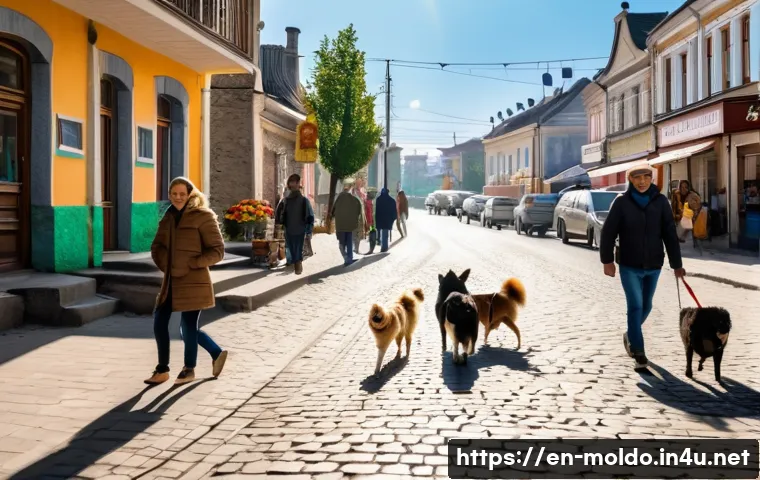
As travel rebounds and more drivers explore Eastern Europe, understanding Moldova’s road traffic laws has never been more crucial. Whether you’re planning a trip or driving locally, staying informed about the latest regulations ensures both safety and a hassle-free experience.
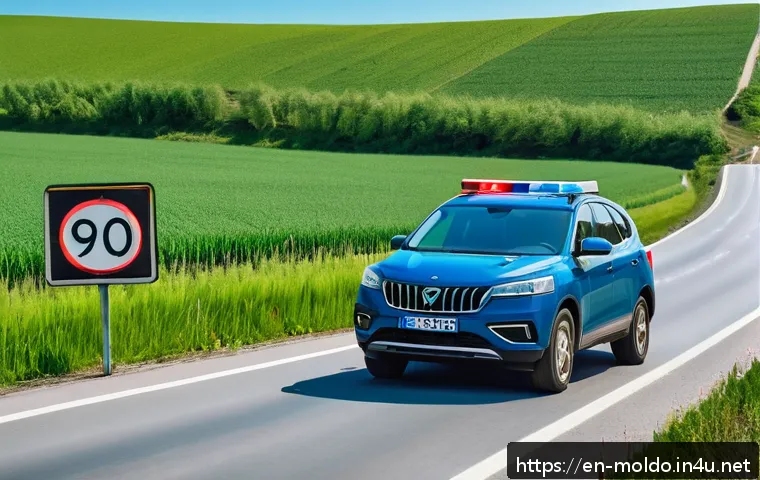
Recent updates in Moldova’s traffic rules reflect a growing emphasis on road safety and modernization, making it essential for every driver to stay ahead.
In this guide, I’ll walk you through the must-know rules that can help you navigate Moldova’s roads confidently and responsibly. Buckle up and let’s dive into everything you need to keep your journey smooth and secure!
Understanding Speed Limits and Their Enforcement
Urban and Rural Speed Regulations
In Moldova, speed limits are clearly set to protect drivers and pedestrians alike, but they vary significantly depending on where you’re driving. Inside city limits, you’ll typically find a speed cap of 50 km/h, which might feel slow compared to highways but is crucial for safety due to pedestrian crossings and frequent intersections.
When you move out of the urban area, speed limits increase to 90 km/h on regular roads, allowing a smoother flow of traffic without compromising safety.
If you find yourself on a motorway or expressway, you can go up to 110 km/h, but these roads are still relatively rare in Moldova compared to Western Europe.
What’s important to note is that speed cameras and police patrols are increasingly active, so adhering to these limits is not just about safety but avoiding fines.
Consequences of Speeding and How Fines Are Calculated
From my experience driving in Moldova, the penalties for speeding can be surprisingly strict. If you’re caught exceeding the limit by a small margin (up to 20 km/h), you might face a modest fine, but going beyond that quickly escalates the punishment.
Fines are usually proportional to your income, which means they can hit harder if you’re earning well. Additionally, repeat offenders can face license suspension.
I once witnessed a local driver get stopped for speeding 40 km/h over the limit, and the fine was hefty enough to make a strong impression. The system is designed to discourage reckless driving, so respecting speed limits is the best way to keep your trip hassle-free.
How Moldova’s Authorities Monitor Speed
The country has stepped up its traffic enforcement by installing fixed speed cameras at key points along busy roads, especially near schools and city entrances.
Besides these cameras, mobile police units frequently patrol highways with radar guns. Interestingly, some cameras also capture other violations like running red lights, which means staying alert at intersections is vital.
From what I noticed, local drivers often slow down near camera zones but may speed up afterward, so it’s safer to maintain a consistent speed below the limit throughout your journey.
Essential Rules for Right of Way and Intersection Safety
Priority at Unmarked Intersections
Navigating intersections in Moldova can be tricky if you’re unfamiliar with the local rules. The general principle is that vehicles coming from the right have priority at unmarked crossroads, a rule that mirrors many European countries.
This means if you approach an intersection without signs or signals, you must yield to traffic arriving from your right side. I found this especially important when driving through smaller towns where signage is minimal.
Failing to give way can not only cause accidents but also lead to fines or even more serious legal consequences.
Roundabouts and Their Usage
Roundabouts are becoming more common in Moldova’s urban planning. When you enter a roundabout, vehicles already circulating have the right of way. This can feel counterintuitive if you’re used to stop signs, so it takes a bit of adjustment.
One tip I can share is to always signal your exit clearly to avoid confusion with other drivers. Moldova’s roundabouts usually have clear markings, but sometimes local drivers tend to be assertive, so defensive driving helps maintain safety.
Pedestrian Crossings and Yielding Requirements
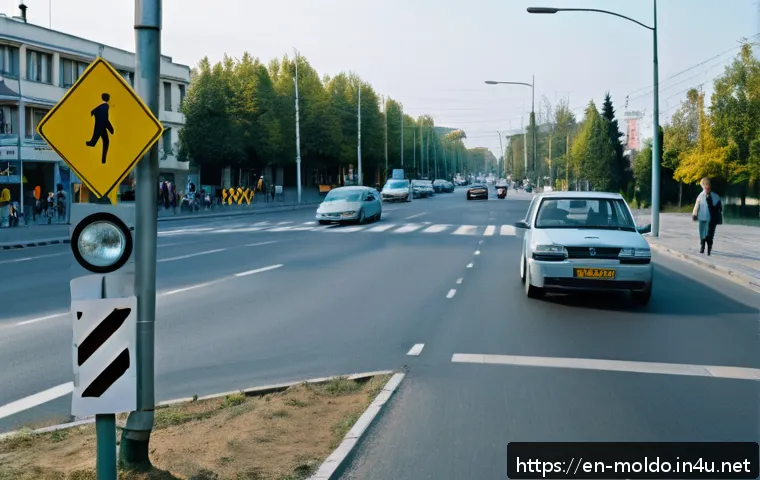
Pedestrians in Moldova have the right of way at designated crossings, and drivers are legally obliged to stop to let them cross. However, in practice, not every driver adheres strictly to this, especially outside city centers.
I recommend staying extra vigilant near schools, markets, and residential areas, where pedestrian traffic is heavy. When you see a zebra crossing, slow down and prepare to stop even if no one is visibly waiting.
This approach not only prevents accidents but also aligns with the increased focus on pedestrian safety in recent traffic reforms.
Mandatory Vehicle Equipment and Safety Checks
Required Safety Gear Inside the Vehicle
Moldova mandates that every vehicle carry certain safety items at all times. This includes a reflective vest, a first aid kit, a warning triangle, and a fire extinguisher.
These requirements are strictly enforced during police checks, and not having them can result in fines or even vehicle immobilization until the equipment is provided.
From my own trip, I learned it’s wise to double-check these items before setting off, especially if you’re renting a car. Rental companies often provide these, but it’s better to be safe than sorry.
Seasonal Tire Regulations and Their Importance
Although Moldova doesn’t have a rigid winter tire law like some neighboring countries, it’s strongly recommended to switch to winter tires during the colder months.
Roads can become slippery due to frost or snow, and using appropriate tires greatly improves control and safety. I recall driving in early December when unexpected snowfall made the roads tricky; having winter tires made a huge difference in confidence and handling.
Some insurance policies also require winter tires for claims to be valid during winter, so it’s worth checking your coverage before traveling.
Technical Inspections and Documentation
Before hitting the road, make sure your vehicle’s technical inspection is up to date. Moldova requires regular safety inspections, and police can request to see proof at any time.
These inspections cover brakes, lights, tires, and emissions, ensuring that vehicles meet minimum safety standards. I’ve encountered checkpoints where drivers without valid inspection certificates were fined or prevented from continuing their journey.
Keeping your vehicle compliant not only avoids penalties but also reduces the risk of breakdowns or accidents.
Rules on Alcohol and Drug Use While Driving
Legal Blood Alcohol Limits and Testing Procedures
Moldova enforces a zero-tolerance policy for blood alcohol content (BAC) while driving, meaning any detectable amount of alcohol is illegal. This is stricter than in many other countries and reflects the government’s commitment to reducing drunk driving accidents.
Police have the authority to conduct random breathalyzer tests during routine stops or after suspicious driving behavior. I’ve seen roadside checks where drivers were tested on the spot; refusal to comply can lead to immediate license suspension or arrest.
Penalties for Driving Under Influence
The consequences of being caught driving under the influence in Moldova are severe. Fines can be substantial, but more importantly, there are risks of losing your driving privileges for extended periods or even facing criminal charges.
From stories I heard locally, repeat offenders might serve jail time. This strict approach is meant to deter risky behavior, and honestly, it’s the kind of law that makes you think twice before getting behind the wheel after drinking, no matter how small the amount.
Impact of Drugs and Prescription Medications
Driving under the influence isn’t limited to alcohol. Certain prescription medications and illegal substances can impair your ability to operate a vehicle safely.
Moldovan traffic laws prohibit driving while under the influence of any drug that affects your alertness or coordination. If you’re on medication, it’s essential to consult with your doctor about its effects on driving.
Police may conduct tests if they suspect drug use, so being informed and cautious is key to avoiding trouble.
Parking Regulations and Common Practices
Paid Parking Zones and Time Limits
In urban centers like Chisinau, paid parking is standard in busy areas. Parking meters or attendants regulate these zones, and fees vary depending on the location and time of day.
It’s important to display your parking ticket clearly to avoid fines. I found that parking enforcement is quite active, so even a few minutes over the paid time can result in a ticket.
Some areas also have time restrictions, such as maximum stays of two hours, designed to encourage turnover and availability.
Illegal Parking and Its Risks
Parking illegally in Moldova can lead to towing or hefty fines, especially near government buildings, hospitals, or major intersections. One experience that stands out was when I saw a car being towed away just for parking on a narrow street that blocked traffic flow.
Aside from fines, illegal parking can cause accidents or block emergency vehicles, so local authorities are quite strict. Always look out for signs indicating no parking or restricted zones and avoid parking on sidewalks or pedestrian crossings.
Tips for Finding Safe Parking in Moldova
Finding secure parking can be challenging, particularly in crowded city areas. My best advice is to use designated parking lots or garages whenever possible, even if they cost a bit more.
These facilities often have attendants and better lighting, reducing the risk of theft or damage. Additionally, some hotels offer parking services for guests, which adds convenience and peace of mind.
Using smartphone apps or asking locals for recommended spots can also save you from unnecessary hassle.
Signaling, Lighting, and Other Driving Etiquette
Proper Use of Turn Signals and Headlights
Signaling is taken seriously in Moldova, and failing to indicate turns or lane changes can confuse other drivers and lead to accidents. Always use your indicators well in advance, especially on highways and roundabouts.
Regarding headlights, low beams are required from dusk until dawn, and using high beams inappropriately, such as blinding oncoming traffic, is prohibited.
From my experience, consistent signaling and correct headlight use make your intentions clear and foster safer driving.
Use of Horns and Communication on the Road
In Moldova, the horn is mainly used as a warning signal rather than for casual communication. Excessive honking is frowned upon and sometimes penalized, especially in residential areas or near hospitals.
I noticed that locals tend to use the horn sparingly, often just to alert someone of immediate danger. Following this etiquette helps reduce noise pollution and keeps the driving environment more pleasant for everyone.
Respecting Local Driving Culture and Patience
While Moldova’s traffic laws are straightforward, the reality of driving there includes dealing with varied driving styles and occasional unpredictability.
Patience and courtesy go a long way in avoiding conflicts. For example, giving way to aggressive drivers might seem counterproductive but often prevents road rage incidents.
From my travels, I learned that staying calm, anticipating other drivers’ moves, and not rushing through situations can turn a potentially stressful drive into a manageable and even enjoyable experience.
| Category | Rule | Penalty | Notes |
|---|---|---|---|
| Speed Limits | 50 km/h urban, 90 km/h rural, 110 km/h motorway | Fines vary by excess speed, possible license suspension | Speed cameras and police patrols actively enforce |
| Alcohol Limit | Zero tolerance (0.0% BAC) | Heavy fines, license suspension, possible jail | Random breathalyzer tests common |
| Mandatory Equipment | Reflective vest, first aid kit, warning triangle, fire extinguisher | Fines and vehicle immobilization if missing | Check rental cars for compliance |
| Parking | Paid zones with time limits, no illegal parking | Fines, towing | Use designated lots for safety |
| Right of Way | Yield to right at unmarked intersections; roundabout traffic has priority | Fines for violations, risk of accidents | Be extra cautious near pedestrian crossings |
Conclusion
Driving in Moldova requires awareness of various rules designed to ensure safety and smooth traffic flow. From speed limits to right-of-way protocols, understanding these regulations helps prevent fines and accidents. My experience shows that respecting local laws and driving cautiously makes traveling much more enjoyable and stress-free. Always prepare your vehicle properly and stay alert to changing road conditions for a safe journey.
Useful Information to Keep in Mind
1. Always check that your vehicle carries the mandatory safety equipment like a reflective vest and first aid kit before driving in Moldova.
2. Be mindful of the strict zero-tolerance alcohol policy; even the smallest amount of alcohol can lead to serious penalties.
3. Use designated parking zones and avoid illegal parking to prevent fines or towing, especially in busy city areas.
4. When approaching unmarked intersections, remember to yield to vehicles coming from your right to avoid accidents.
5. Consider switching to winter tires during cold months to maintain better control on slippery roads and comply with insurance requirements.
Key Takeaways
Understanding and adhering to Moldova’s traffic laws is essential for a safe and hassle-free driving experience. Speed limits are strictly enforced with fines scaled to income, and police actively monitor roads with cameras and patrols. Right-of-way rules prioritize vehicles from the right at unmarked intersections and those already in roundabouts. Carrying mandatory safety gear is not optional, and zero tolerance for alcohol means no drinking before driving. Finally, respecting parking regulations and practicing patience on the road will help you avoid penalties and enjoy your travels without unnecessary stress.
Frequently Asked Questions (FAQ) 📖
Q: uestions about Moldova’s Road Traffic LawsQ1: What are the key speed limits I should follow when driving in Moldova?
A: In Moldova, the speed limits vary depending on the type of road and area. Typically, within city limits, the maximum speed is 50 km/h (about 31 mph). On open roads outside towns, it’s usually 90 km/h (around 56 mph), and on highways, you can go up to 110 km/h (approximately 68 mph).
However, always watch for road signs as some areas may have different limits due to construction or safety concerns. I remember once driving near Chișinău and seeing a sudden drop to 30 km/h near a school zone—staying alert is really crucial here.
Q: Are there any specific rules about alcohol consumption and driving in Moldova?
A: Yes, Moldova has a strict zero-tolerance policy for blood alcohol content (BAC) while driving. This means any detectable alcohol in your system can lead to fines, license suspension, or even criminal charges.
From my experience, locals and travelers alike take this seriously, and police often conduct random breathalyzer tests, especially on weekends or holidays.
So, it’s safest to avoid any alcohol before getting behind the wheel.
Q: What documents do I need to carry when driving in Moldova, especially as a foreign visitor?
A: If you’re driving in Moldova, you must carry your valid driver’s license (an International Driving Permit is recommended for foreigners), vehicle registration papers, and proof of insurance.
Additionally, having your passport or ID handy is important as police may request identification during traffic stops. When I rented a car there, the rental agency emphasized keeping these documents accessible at all times, which really helped avoid any unnecessary hassle.